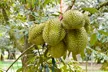
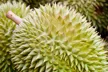
Vietnam's durian sector recorded strong export growth in 2025, with total export turnover estimated at US$4 billion, representing nearly half of the country's total fruit and vegetable export value. At the same time, the rapid expansion of the sector has highlighted challenges related to the standardisation of growing areas and compliance with international market requirements.
Over the past 10 years, Vietnam's durian planting area has expanded nearly sixfold to around 180,000 hectares, with total output exceeding 1.5 million tons. The Central Highlands is the main production region, accounting for more than 75,000 hectares.
According to the Department of Agriculture and Environment of Dak Lak province, the province currently has approximately 44,900 hectares of durian. Of this total, 269 growing areas covering nearly 7,400 hectares and 40 packing facilities have been granted official production and packing codes. In addition, 16 frozen durian packing facilities in Dak Lak have been approved for export by China's General Administration of Customs. In 2025, fresh durian from the province was exported to destinations including China, Thailand, Japan, and the United States, generating export revenue of about US$1.1 billion.
Dang Thi Thuy, Deputy Director of the provincial department, said that despite the sector's contribution to the local agricultural economy, production challenges remain. Growing areas are often fragmented and small-scale, while farming practices and pest control measures are not always consistently applied. In several cases, excessive use of fertilisers and pesticides or the use of unapproved chemicals has led to warnings related to plant quarantine and food safety for export shipments.
Weak coordination between farmers, cooperatives, and export companies has also limited the development of stable value chains. This has contributed to market volatility and increased operational risks for exporters. Similar issues are reported across other durian-producing regions nationwide.
Data from the Ministry of Industry and Trade's Agency of Foreign Trade indicate that China remains the primary export destination and has a major influence on Vietnam's durian trade. In 2025, exports showed fluctuations, with lower volumes in the first half of the year following China's stricter controls on pesticide residues and technical standards.
From the third quarter onward, exports recovered as exporters improved compliance with growing area and packing facility requirements, strengthened traceability systems, and worked with authorities to address technical issues. By the end of November, Vietnam had exported nearly 885,000 tons of durian to China, with a total value of US$3.24 billion.
Industry participants note that future export growth will depend less on further acreage expansion and more on compliance, processing development, and improved organisation across the supply chain. Le Minh Tam, Director of Thien Tam Agricultural Products Trading Company Limited, said the industry should diversify markets, expand processed durian products, and improve value retention while reducing exposure to market risks.
Source: Vietnam+