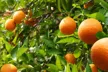
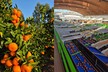
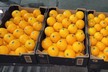
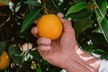
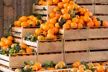
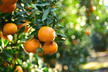
A farming operation in Hawaiʻi has started its first commercial harvest of locally grown mandarins, adding a new crop to the state's citrus supply. The mandarins are grown on the slopes of Haleakalā in Central Maui and are part of an effort to expand local fruit production in a market that relies largely on imports.
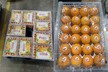
The initial harvest is limited, as the mandarin trees are still young. A portion of the fruit will be distributed to selected schools across the state, while the remainder will be sold through local retail channels under the Maui Harvest brand. Availability is expected to begin next month. Future expansion of volumes will depend on the availability of irrigation water.
According to Justin Texeira, vice president of farming operations at Mahi Pono, "We're excited to share this first commercial mandarin harvest with Hawaiʻi families and communities. This milestone represents steady progress toward our long-term goal of producing more fresh, local food, supporting local agricultural jobs, and reducing Hawaiʻi's dependence on imports."
Most citrus consumed in Hawaiʻi is sourced from outside the state. The introduction of commercial-scale mandarin production adds to existing local citrus plantings that already include limes, lemons, and oranges.
The farming operation works across more than 41,000 acres, equivalent to approximately 16,600 hectares, in Central Maui. To date, more than 20,000 acres, or about 8,100 hectares, of former sugarcane land have been converted to active, diversified agricultural use. Citrus represents the largest crop by planted area within the current production portfolio.
In addition to citrus, the operation produces seasonal row crops such as watermelons and onions, and allocates portions of land to rotational cattle grazing. During 2025, more than 11.5 million pounds of fruit and vegetables grown on Maui were sold within Hawaiʻi.
The mandarin harvest forms part of a broader strategy focused on supplying the local market and increasing agricultural output within the state. Distribution to schools and retail outlets is intended to place locally grown fruit directly into existing food channels as production volumes gradually increase.
Source: MauiNow