California pear growers are raising concerns over rising imports of Argentine pears entering the U.S. market at the start of the domestic harvest. Industry representatives are currently in discussions with staff at the Office of the U.S. Trade Representative to explore possible measures to address what they describe as sustained import pressure on the California pear sector.
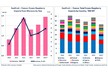
According to the California Pear Advisory Board, Argentine exports of fresh pears to the U.S. have increased by around 125 percent since 2016. These volumes mainly compete with California Bartlett and Bosc pears at the beginning of the domestic season. While Argentina traditionally supplies the majority of imported pears during the U.S. winter, industry data indicate that around 70 percent of Argentine shipments now arrive in April and May, just ahead of California's early July harvest.
 © California Pear Advisory Board
Industry representatives say this timing places pressure on market conditions as retailers promote imported pears rather than newly harvested domestic fruit. They also note that retail pricing data suggests imported pears are not always passed on to consumers at lower prices, despite being offered at lower wholesale levels.
James Christie of Bryant Christie Inc., which represents several U.S. agricultural sectors, including pears, said discussions with USTR have focused on identifying tools to help manage import volumes. He noted that tariffs alone are unlikely to resolve the issue and that options under discussion include import quotas or defined periods during which Argentine pears would not enter the U.S. market.
The industry also points to storage practices as a contributing factor. Argentine pears arriving in spring are often harvested counter-seasonally and stored for several months before shipment. Some exporters use 1-MCP, a post-harvest treatment that extends storage life but can affect ripening. California pear shippers state that they do not use this treatment, and argue that fresh domestic fruit faces competition from long-stored imports at the start of the season.
Growers say the market impact has included canceled retail promotions and reduced sales opportunities. They report that acreage and grower numbers in California continue to decline, reflecting ongoing economic pressure on the sector.
The California pear industry is largely made up of small, family-run farms. Industry representatives argue that current trade conditions are contributing to long-term structural challenges and have urged policymakers to consider measures that balance import access with the viability of domestic production.
Discussions with USTR are ongoing, with industry groups seeking policy options that address seasonal import pressure without disrupting overall trade flows.
For more information:
Chris Zanobini
California Pear Advisory Board
Tel: +1 916 441 0432
Email: [email protected]
www.calpear.com