The Mollar de Elche pomegranate campaign, which will end in mid-January, is currently in its final stages. This season has been marked by an increase in the second-class supply due to the impact of the weather and pests, as well as high pressure on sales due to Morocco's abundant production.
"Last year, there was a lower supply due to the high incidence of the South African thrips pest. This year, that has been more under control, but production is still affected because European regulations are increasingly limiting the use of tools to combat the growing presence of pests and diseases," says Susi Bonet, from the sales department of the Cambayas cooperative.
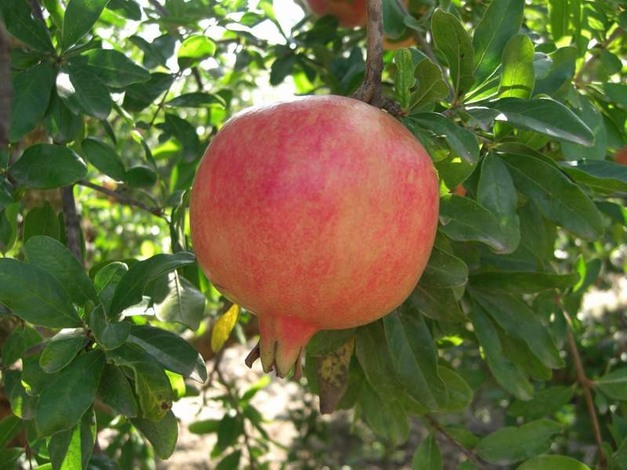
"Also, due to the impact of summer heat waves and late rains, we have a greater amount of second-class fruit available. Around 50% of the total production has marks on the skin or is too small," says Susi Bonet.
There's a higher demand in the current pre-Christmas shopping period. According to the Cambayas sales representative, sales and prices of first-class and large-sized pomegranates have been good, although she also says that the market conditions have been tougher than usual due to strong competition from other suppliers.
"This year we've faced strong competition from Morocco in the marketing of 2nd-class pomegranate. We didn't expect such a large Moroccan supply in Europe," says Susi Bonet. "We would normally have fewer problems marketing such productions, but this year it has been very challenging due to the dominance of the Moroccan production."
According to Bonet, the acreage devoted to the Mollar pomegranate in Elche is declining due to issues with pests and a shortage of irrigation water, among other challenges that are making the activity less profitable for the growers, while early varieties such as the Acco and Tastem are gaining ground. For more information:
Susi Bonet
CAMBAYAS COOP.V
Tel.: +34 966637588
[email protected]
www.cambayas.com