Apple export, consumption, and processing figures for Jumla district in Nepal have been released by the Agriculture Development Office, based on statistics published in the first week of December.
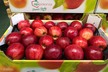
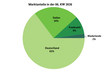
According to office chief Ram Bhakta Adhikari, 5,591 metric tons of apples were exported during the current fiscal year. During the harvest period, local apples were sold at orchard gates for Rs 65.50 per kilogram, equivalent to about US$0.49. In some municipal orchards, local apples were sold for Rs 70 per kilogram, or around US$0.53. Imported Italian Fuji apples were sold at prices exceeding Rs 175 per kilogram, equivalent to more than US$1.32.
Local consumption within the district accounted for 4,415 metric tons, representing 25 per cent of total production this year. A further 15 per cent of production was distributed outside the district as gifts and souvenirs.
In addition, 15 per cent of total apple production, amounting to 2,648.81 metric tons, was processed into dried slices, juice, jam, cider, brandy and Maad, a local product. The district also produced 586 metric tons of high-density apples.
Production decreased
Apple production declined compared with the previous fiscal year due to hailstorms and pest pressure. According to the Agriculture Development Office, the reduction in yield was linked to hailstorms that occurred during the apple blossom period last year.
Apple planting area
The apple planting area in Jumla continues to expand. The Agriculture Development Office reported that apple saplings were planted on approximately 4,497 hectares this year. Of the total planted area, 2,165 hectares were productive. High-density apple plantings covered 52 hectares, with 40 hectares producing fruit during the current season.
The main local apple varieties grown in Jumla include Red Delicious, Royal Delicious, Golden, Richard, Jonathan and Spure. High-density plantings mainly consist of Gala and Fuji varieties.
The figures reflect ongoing adjustments in production systems, processing use and market channels within the district, as growers respond to weather-related impacts and changing orchard structures.
Source: The Rising Nepal