A large fire at the Ceasa wholesale market in Irajá, Rio de Janeiro, has raised concerns among traders about potential disruptions to fruit and vegetable supply during the end-of-year period. The fire began early Wednesday in Pavilion 43, destroying at least 28 stores. According to the Fire Department, four firefighters required medical attention for exhaustion, and no injuries among workers or visitors were reported.
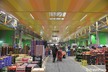
Ceasa is the main distribution hub for fruits and vegetables in the state of Rio de Janeiro and operates with reinforced stocks and extended hours during December to meet increased seasonal demand. The fire occurred as warehouses were full and truck and buyer traffic was high.
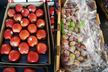
Witnesses reported that the fire started in a food store inside pavilion 43, an area with fruit and vegetable stalls. The flames spread quickly to neighboring units selling plastics, paper, beverages, and other flammable goods. Stalls handling papaya, coconut, mango, corn, pumpkin, watermelon, potato, onion, garlic, and other high-turnover produce were affected. Images from the early morning showed flames consuming metal structures, wiring, and storage units.
While Pavilion 43 burned, unaffected areas of Ceasa continued operating. Shopkeepers attempted to maintain sales routines despite smoke and emergency activity. Traders reported immediate losses, noting that stocks had been increased ahead of Christmas and the New Year. Ceasa had announced extended operating hours until 3 a.m. between December 8 and January 2 to handle higher fruit and vegetable orders.
Planned shipments from Pavilion 43 were cancelled or diverted to other active bays. Some traders redirected incoming produce to partners in other parts of the market to avoid further losses. Reports from the scene indicate losses of merchandise, refrigeration units, shelving, utility vehicles, and stored documents. One merchant stated, "It's all over, but we'll lift our heads and work to rebuild."
Ceasa serves as the primary entry point for fruits, vegetables, and legumes for the Rio Metropolitan Region. The end-of-year period already places higher pressure on supply chains for fresh produce. With stocks destroyed in one pavilion and internal logistics disrupted, retailers expect possible short-term effects on availability and prices for some items.
The extent of supply impact will depend on the time required to clear pavilion 43, reorganize internal flows, and replenish inventories. Other pavilions remain operational, and redistribution efforts among Ceasa traders may reduce immediate disruptions.
Source: CPG