Álvaro Quito, head of certification, operations, and logistics at the Ecuadorian Asociación Nueva Esperanza, says that the banana sector is currently facing a scenario of high demand for certifications, phytosanitary challenges, and significant price variations, both for conventional and organic bananas.
The association brings together 32 producers and complements its supply with fruit from six additional plantations, reaching a volume of 35 containers per week. This fruit is mainly intended for markets supplied by multinationals such as Chiquita, Del Monte, and Dole.
In Europe, environmental and process control requirements keep getting stricter. "We work with certifications such as Fairtrade International, Fairtrade USA, GlobalGAP, and organic, and now we are undergoing new audits, including some for SMETA. Each standard involves specific protocols, audits, and permanent records. This administrative burden increases costs and is time-consuming for producers. Therefore, in times of high prices for conventional bananas, some choose to temporarily stop organic production," says Quito.
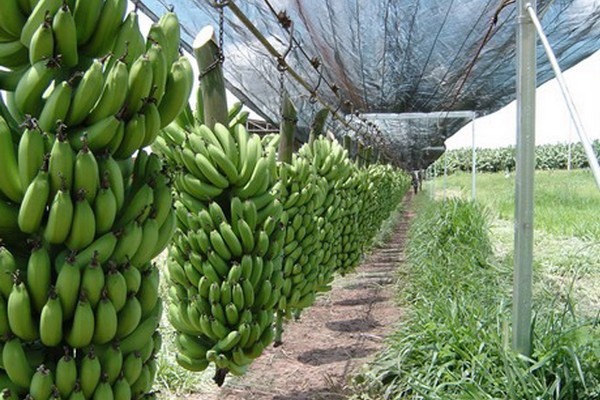 © Asociación Nueva Esperanza
Quito says that although the presence of Fusarium race 4 hasn't been officially declared in the country, "there are rumors in the sector," and this has prompted producers to reinforce preventive measures. These include the application of pediluvium and rodaluvium, the changing of boots and protective equipment, and ongoing training on Ralstonia (moko) and other diseases.
Agrocalidad frequently carries out inspections in collection centres, checking quality and phytosanitary aspects, such as the presence of cochineal or damage to the fruit.
Logistics operations have also become noticeably costlier in recent weeks. The rise in the price of diesel, as well as adjustments to transport tariffs and port costs, have been causing the final cost per container to increase. "Shipping lines have already sent invoices with surcharges; we are talking about increases of around $5 per container," he says.
"The market has shown strong volatility in the course of 2025. The price of conventional bananas has reached $12, driven by high demand from Russia. This has led organic producers to temporarily switch to conventional, which requires less certification and simplifies packaging, reducing time and costs," says Quito.
In contrast, the price of organic bananas remains stable under contracts with multinationals, covering production costs, but not matching the attractiveness of conventional bananas in weeks of high demand.
"While the Fairtrade system allows for the implementation of development and social support plans, producers perceive that the more demanding requirements are not always accompanied by better incomes. As a result, decision-making between organic and conventional has become increasingly dynamic and dependent on weekly market yields," he says.
For more information:
Álvaro Quito
Asociación Nueva Esperanza
Ecuador
Tel.: +593 98 113 7842
https://asonuevaesperanza.com/