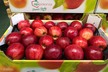
A Hawke's Bay apple grower says exports to the United States are no longer viable due to the 15 per cent tariff imposed under former U.S. president Donald Trump. Paul Paynter of the Yummy Fruit Company said the tariff adds about US$1.22 per box, which removes his margin. He said, "The margins are not big enough to absorb the cost of the tariff," adding that the U.S. market is also oversupplied with apples.
Paynter reported challenges in the United Kingdom and Europe as well. While demand has been steady, shipping logistics have deteriorated. He said, "Our worst container took 107 days to arrive because you're sailing around Africa, and it's just not good to have fruit in a shipping container for that long. The cooling isn't great in those shipping containers, and it's way too long to have product on the water. In the old days, we were in Europe in 38 or 39 days."
He said extended transit times increase quality risks and costs. The UK market remains difficult, while the exchange rate in Europe is more favourable. Paynter expects conditions to improve only when traffic through the Suez Canal returns to normal capacity. As a result, he said, "For the first time in our company's history, we will only be exporting to Asia in the coming season."
Two decades ago, the company sent almost no fruit to Asia. Paynter said the region is now more attractive due to shorter transit times, workable time zones, and economic growth in emerging markets.
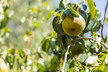
Paynter said last season was among the best since 1991, with a warm spring, low frost pressure, good fruit size, and high pack-out levels. Favourable exchange rates supported returns. This season has been different, with a colder winter and a spring running about a week behind the ten-year average. Strong winds helped open flowers quickly, but dry conditions arrived early.
Paynter said they irrigated trees in October for the first time. He noted, "We got 20 mils a couple of weeks ago, but the rainfall data shows it was low in September and October and will be low in November, but there was a decent amount of snow on the mountains, so hopefully we will get a decent supply of water in the rivers out of that melt."
He is now estimating crop size. Despite using a structured system, he said smaller apples remain difficult to assess because they sit under the canopy. Paynter said water availability will be the key factor in maintaining tree health and ensuring a stable crop.
Source: RuralNews