Demand continues to exceed supply on leafy greens and some of this current situation traces back to the leafy green market of late 2024 and early 2025.
"From the middle of December 2024, the market went sideways and the leaf market stayed pretty much at the bottom. The beginning of 2025 was one of the worst leaf seasons for growers in history," says Garret Powell of Peter Rabbit Farms, which ships iceberg, romaine, green and red leaf and jumbo Boston lettuce.
 © Peter Rabbit Farms
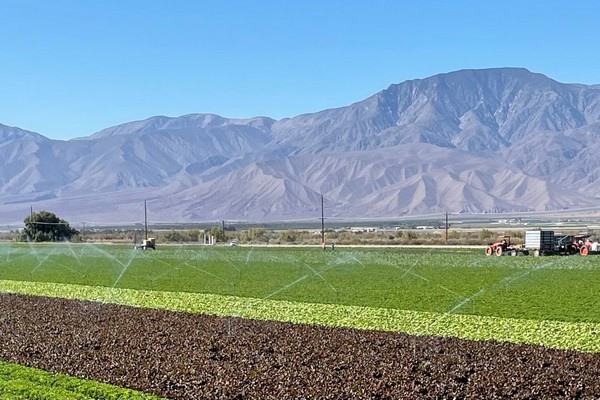
That downturn forced many major producers to scale back plantings for 2025 and 2026, reshaping the market before the season even began. By summertime, production was already underway in Salinas, California, where later plantings are typical to allow for a smoother transition back to the desert region. This year, however, Salinas faced setbacks from Impatiens Necrotic Spot Virus (INSV) and weather issues, reducing that expected buffer.
Back in the desert region, the weather was abnormally warm with 10-14 days of temperatures that were 15 degrees higher than average at the end of October. "It just pushed all the product that got planted forward," says Powell. "Luckily, a lot of buyers came in early, helping absorb product ahead of the holiday demand."
Leafy greens and processors
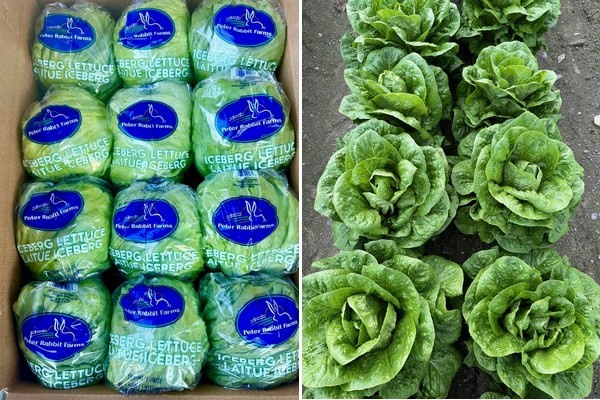
That said, product has been smaller and lighter and given processors largely drive the leafy green deal, they had to reach ahead to cover their demand. "It's created this short supply and prices have been anywhere from $40-$50 on iceberg for the last three to four weeks. Romaine has ranged from $30-$45 and a lot of suppliers are quoting even higher."
 © Peter Rabbit Farms
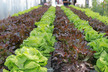
Prices are strong enough that some of the substitute commodities are benefitting from customers switching over to them. "If iceberg is $50, some are buying red leaf instead at $35. There's been very good movement on those substitute products like the soft leaf," says Powell.
Adding to the challenges, major rainstorms recently hit the desert region, with Coachella receiving 1–1.5 inches. Given the region's sandy soil, the moisture was able to drain relatively fast and harvest resumed. However, Yuma, Arizona, which doesn't receive a lot of rain year-round, got close to two inches last week. "That's a lot of water for their heavier ground and it stunted harvest and planting," says Powell.
All of this means a continued demand exceeding supply situation on leafy greens is expected to continue into the new year. "After that, things could level out, but these rainstorms could hinder these large plantings," Powell says. "Prices may ease somewhat, but if demand stays good, the market should remain relatively steady as we head into the new year. It'll definitely make for an interesting rest of the desert season."
 For more information:
Garret Powell
Peter Rabbit Farms
Tel: +1 (760) 398-0136
[email protected]
https://www.peterrabbitfarms.com/