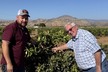
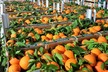
Australia's native citrus species may have untapped commercial potential as global citrus production expands, according to research underway at the University of Queensland. PhD candidate Joel Johnson from the Queensland Alliance for Agriculture and Food Innovation (QAAFI) is examining the chemical composition and nutritional characteristics of six indigenous citrus species to assess their possible uses in food and breeding programs.
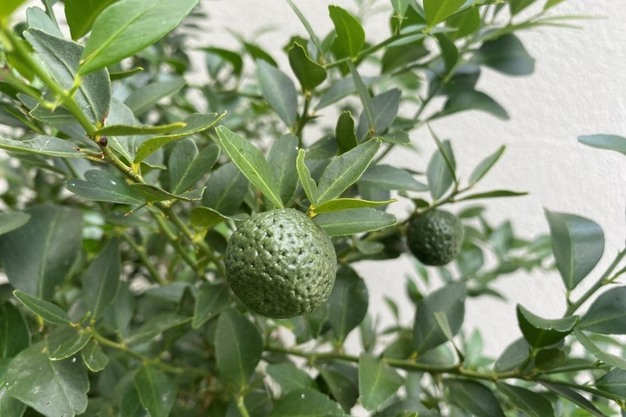 © The University of Queensland/Megan Pope
Johnson said Australia has the highest number of endemic citrus species worldwide, yet most are largely unknown to consumers. "We have the highest number of endemic citrus species of any country, but despite a global industry worth $140 billion, many Australians have never seen or eaten them," he said. He noted that First Nations communities have traditionally used these species for food and medicine, although documentation remains limited.
Except for finger lime, native citrus is not grown commercially or widely available in retail outlets. The current research is the first systematic effort to characterise the species for potential nutritional value, flavour profiles, and suitability for commercialisation. "Their unique flavours and aromas suggest promising new applications in the food sector," Johnson said.
Samples have been collected from five of the six species for laboratory analysis. Johnson said the species vary widely in their profiles and may offer different development opportunities. He noted that Citrus inodora, also known as Russell River lime, contains four times the vitamin C of Tahitian lime, while Citrus glauca, or desert lime, has more than six times the vitamin C content.
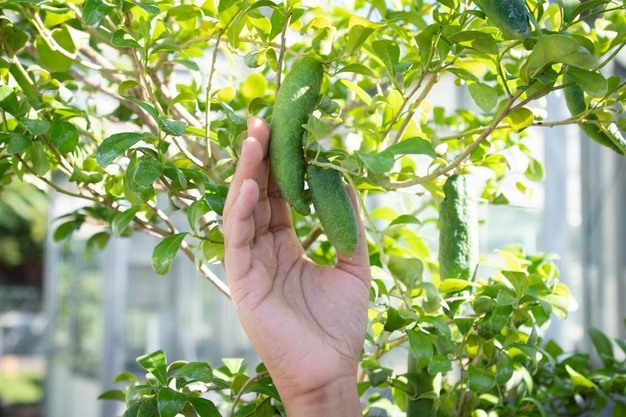 © The University of Queensland/Megan Pope
Previous work at QAAFI has identified disease resistance traits in some native citrus, leading to interest from breeding programmes seeking to incorporate these genes into new hybrids. Johnson said that understanding the biochemical makeup and nutritional properties of each species is important for evaluating their potential role in hybrid development.
The species' natural adaptation to Australian environmental conditions may also be relevant. They are accustomed to drought, heat, and other environmental stresses, characteristics that could be useful in future breeding initiatives. Johnson said he plans to expand the analysis to include folate, vitamin E, and various flavonoids to build a clearer picture of the nutritional and bioactive properties of each species.
The ongoing research aims to determine whether these native citrus varieties could contribute to future crop development, consumer markets, or functional ingredient applications.
For more information:
Natalie MacGregor
The University of Queensland
Tel: +61 409 135 651
Email: [email protected]
www.news.uq.edu.au