The recent suspension of the Systems Approach for Chilean grapes intended for export to the United States has caused concern in the industry, especially among producers in the north of the country. According to Leonardo Marchant, manager of GLS Exports, the measure is "a hard blow" for the competitiveness of Chilean fruit and for producers in the north of the country, as it's forcing them again to have the product fumigated with methyl bromide on arrival at its destination.
 © GLS Fruit Exports
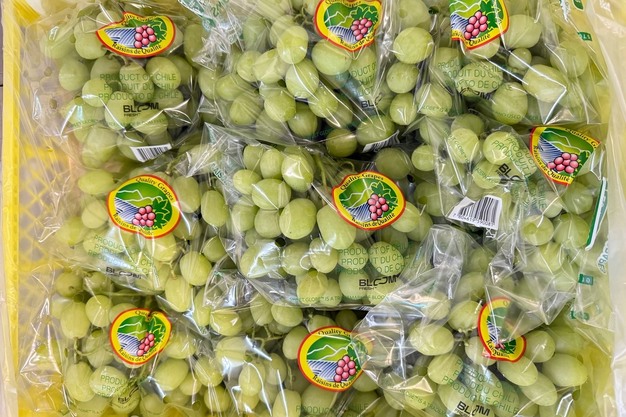
Although GLS is not directly affected, as they mainly operate in the central-southern area, where they were already forced to fumigate, Marchant says that the biggest impact is on quality. The fruit has to be heated, fumigated, and refrigerated, a process that "not only causes its condition to significantly deteriorate," but also prevents the possibility of direct deliveries to supermarkets, forcing the product to go through intermediate fumigation points. This, he says, results in a clear disadvantage compared to Peru, which is only required to do cold treatment in transit, without disruptions in the cold chain.
As for the 2025/26 grape season, GLS will start shipping in late January. So far, the fruit "in the fields is looking great, and there are good prospects in terms of production and quality," although Marchant warns that it's still too early to be sure. With regard to the market, he acknowledges that Peru's growing presence could put pressure on prices from January onwards, when there will be a greater supply available.
 © GLS Fruit Exports
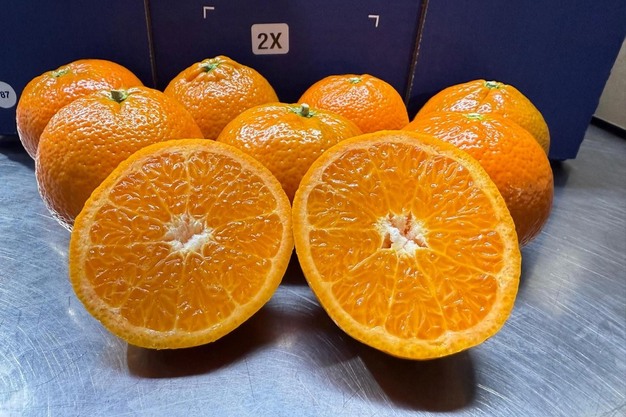
Regarding oranges and mandarins, two key products for GLS in North America, the season has been marked by the application of 10% tariffs in the United States. However, the impact of this has eventually been more moderate than expected.
In the case of oranges, the season started with good prospects, although South Africa brought its shipments forward before the tariffs came into effect, saturating the spot market. Still, Marchant describes the season as "normal", with adequate returns, especially for medium and small sizes, for which demand has remained solid.
 © GLS Fruit Exports
The situation has been similar for mandarins. Despite the sharp increase in production in Chile and the current tariffs, the market reacted better than initially expected. "Expectations had been very low, but growers will eventually get reasonable returns, although lower than last year's," he says. The season is now over, with the last shipments dispatched in October.
GLS is still significantly diversifying its shipments, with only 20% of its table grapes going to the United States, while the rest are mainly delivered to Asia, Europe, and Canada.
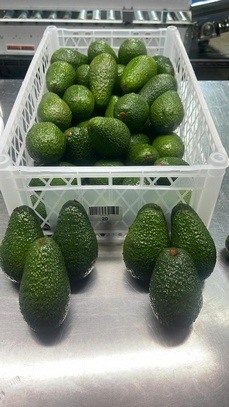
As for avocados, the company is expecting an increase in the volume exported this year, not because of larger harvests of its own, but because local producers have opted to export more in the face of less attractive domestic prices than in 2024.
For 2026, Marchant believes that grapes could potentially be the product facing the biggest challenges, with high volumes from Peru, downward pressure on prices, and logistical restrictions in the U.S. "The market is very good now, but that's bound to change once greater volumes are available," he says.
 For more information:
Leonardo Marchant
GLS Exports
Tel.: +56 99079 2939
[email protected]
www.gls.cl