The tariff update that took effect on November 13, 2025, is expected to influence sourcing patterns and cost structures in the U.S. fruit market. Under the revised policy, the United States removed tariffs on a broad group of fruit products, including avocados, mangoes, bananas, pineapples, tropical fruit, oranges, and various processed items such as juices. More than 200 agricultural classifications were added to the exemption list. The update applies retroactively to entries made after 12:01 a.m. on November 13, allowing importers to seek refunds on duties already paid.
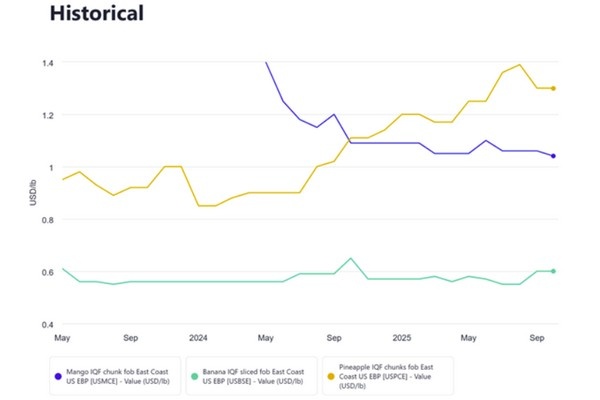
Market participants report that the exemptions are connected to new framework agreements with several Latin American suppliers. This development may strengthen the position of countries such as Ecuador, Guatemala, El Salvador, and Argentina in the U.S. fruit market. With tariffs lifted, importers may face lower landed costs entering the winter period, and retailers may benefit from improved availability and reduced price pressure linked to inflation.
According to those familiar with current trade flows, suppliers not included under the new agreements may face increased competition, as tariff-free access enhances the attractiveness of fruit sourced from participating countries. Industry sources expect that the change could influence sourcing decisions, pricing discussions, and shipment volumes into the U.S. market during the coming months.
The updated tariff structure will continue to be monitored as buyers adjust procurement strategies and evaluate cost differentials across supplying regions.
Source: Mintec/Expana