Following the short crop on domestic pears last season, this year the industry's pear volume has made a substantial recovery. CMI Orchards reports that its total production across both conventional and organic pears is up nearly 90 percent, with organic contributing a significant share of that growth. "Conventional Bosc pears are driving the surge, with volumes rising more than 200 percent over last year due to an exceptional bloom and strong fruit set," says William Gant of CMI Orchards, LLC. "Promotable volumes are expected across all major varieties, creating opportunities for robust retail programs throughout the season. In specialty pears, Forelle and Comice volumes have doubled, and Seckels harvested at nearly three times their 2024 level."
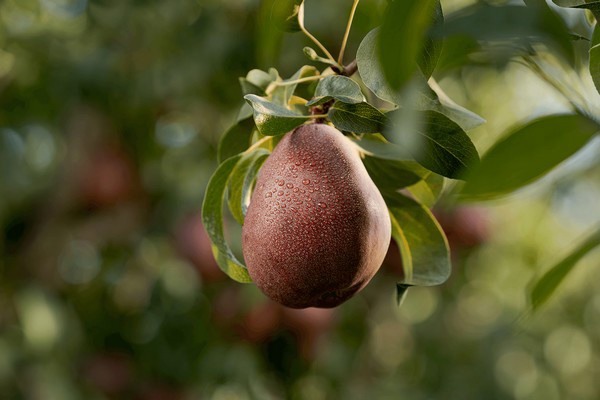
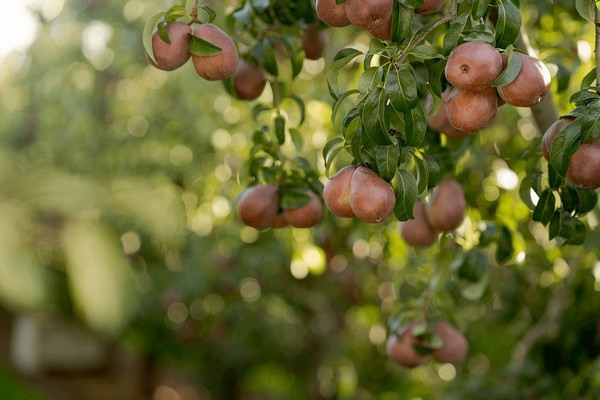
In terms of varieties, good quality and ideal sizing for both bulk displays and bagged promotion are expected on Bartlett, Anjou, Bosc, and Red Anjou pears. "Each core variety brings something distinctive to the category: Bartlett's juicy sweetness, Anjou's versatile flavor profile, Bosc's firm, elegant texture, and Red Anjou's vibrant red finish give consumers multiple reasons to explore pears at retail," says Gant, adding that the company offers all major pear varieties in both conventional and organic.
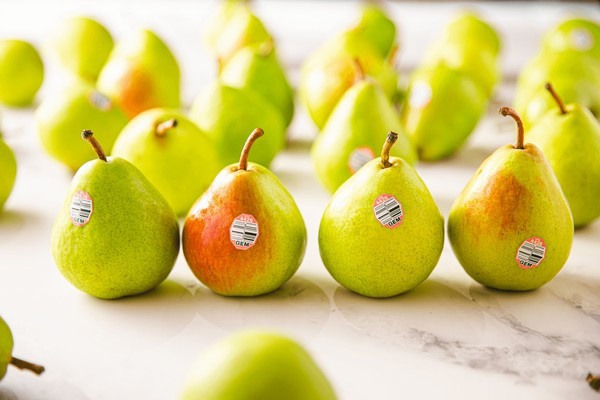
In addition, Gem pears are a newer specialty variety in the market and production on this variety continues to grow year over year. As an early season pear, part of its appeal is its limited availability. CMI offers the variety in eye-catching packaging and coordinated merchandising bins to capture the attention of shoppers. The eating experience can vary for consumers as well–it can be eaten right from the display for a crisp, refreshing eating experience or eaten as a softer, juicy and aromatic piece of fruit after a few days on the counter.
 © CMI (Columbia Marketing International)
PNW growing conditions
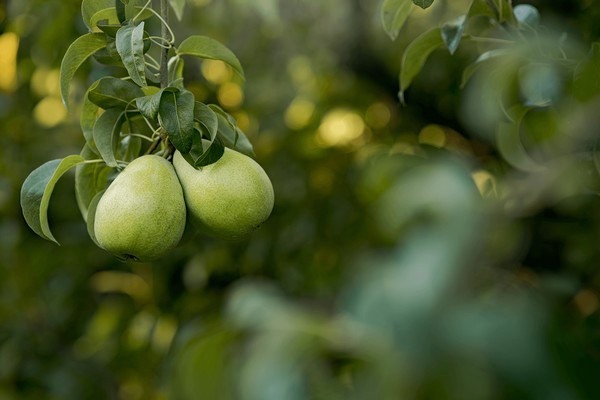
The volume increase this season can also be attributed to largely favorable growing conditions in key pear regions such as eastern Washington's Yakima Valley, Wenatchee Valley, and Columbia Basin–all areas in the Pacific Northwest known for warm days, cool nights, and ideal soil conditions that support size, quality, and storability. CMI Orchards also partners with Diamond Fruit Growers, who is recognized for its work and heritage in pear production, and grow in key Oregon pear districts such as Hood River and Medford, where steady mountain runoff, volcanic soils, and moderated summer temperatures help produce balanced fruit with strong sugars and smooth finish.
"This season, a mild spring supported strong bloom and pollination, while moderate summer temperatures helped protect size, color, and overall fruit finish," says Gant. "Early assessments show clean fruit, balanced sizing, and outstanding eating quality. Although microclimates across the Northwest always introduce some variability, the collective outlook points to a dependable, high-quality crop heading into the 2025 season."
CMI Orchards offers a year-round supply of pears, touting an import program that supports the domestic production in order to maintain product throughout the year and eliminate any supply gaps.
Favorable domestic growing conditions led to seasonal timing being on track this year, with harvest beginning very close to historical averages across the major Northwest growing regions. "Bloom and pollination occurred on schedule thanks to a mild spring, and while there were slight variations by microclimate, most districts reported only minimal shifts of a few days earlier or later," adds Gant, noting that the season progressed smoothly with fruit maturing at a consistent pace. Sizing also developed well, and harvest flowed in a steady, predictable pattern.
 © CMI (Columbia Marketing International)
Looking ahead on demand
As for demand, it is steady heading into the holiday season and momentum is expected to continue building over the next several weeks. "As retailers transition into key promotional periods–Thanksgiving, Christmas, and New Year's–pear placement, visibility, and feature activity traditionally ramp up, helping drive strong category movement," says Kaci Komstadius, marketing manager at CMI Orchards, adding that given the promotable volumes across major varieties this year, retailers are positioned to run consistent ads and build displays that support larger basket sizes. "With excellent eating quality and increased consumer interest in seasonal baking, snacking, and entertaining, pears are naturally primed for heightened demand through December and early January."
That means over the next few weeks, steady-to-strong movement is expected, particularly on core varieties like Bartlett, Anjou, and Bosc, along with growing interest in specialty and snacking pears as retailers introduce variety into their displays.
With an eye on promotions, Komstadius says this year's promotion strategy is about driving engagement, strengthening education, and maximizing in-store visibility. "Retailers are leaning into a mix of tried-and-true promotions and fresh, innovative merchandising approaches to capture shopper attention and stimulate category growth," she says. "Across core varieties—Bartlett, Anjou, Bosc, and Red pears—we're supporting both bulk and bag promotions that deliver value and encourage larger basket sizes. Bags continue to perform especially well with families looking for convenience and consistency."
In addition, there's a continued push behind Gem pears, which is still a newer variety for consumers and its novelty is helping momentum given it brings something new to the category. "Sparkly, eye-catching packaging and coordinated merchandising bins help tell the Gem story, highlighting their naturally sweet flavor, crisp-to-tender texture, and ready-to-eat appeal. Educational cues also reinforce their versatility across snacks and meals," says Komstadius.
 © CMI (Columbia Marketing International)
Why education around pears is key
Education generally continues to be an important factor in pear movement, particularly information that helps reduce consumer confusion around ripeness and readiness. That means retailers are using strategic signage, educational displays, and POS materials to teach shoppers about consuming pears. "One of the biggest obstacles to increasing pear consumption remains consumer uncertainty about ripeness and when pears are ready to enjoy. As an industry, we've made this a top priority by investing in education and engagement tools that simplify the pear story and make it easier for shoppers to feel confident in their purchase," says Komstadius.
Cross-merchandising with complementary items—such as cheese, nuts, or yogurt—along with seasonal themed displays also helps elevate pears as an option. "Consistent, season-long promotions are encouraged to maintain visibility and momentum," says Komstadius, adding that the company provides customizable programs, display bins, and digital content to both drive volume and deepen shopper understanding around pears.
Along with signage and merchandising bins in store, digital assets and social content, pear packaging particularly continues to grow as a teaching tool for consumers. "Our Happy Bee pear bags, for example, feature ripening tips, recipes, and usage ideas. This not only minimizes confusion but also underscores pears' versatility; crisp and refreshing right off the shelf, or soft, sweet, and juicy after resting at room temperature for a few days," says Komstadius.
 © CMI (Columbia Marketing International)
Industrywide, USA Pears also continues to focus on health messaging around the fruit to help fuel movement. To do so, it has brought on Barbara Ruhs, MS, RDN, as director of nutrition and communication and through consistent consumer education and amplified nutrition messaging such as pears' high fiber content, the industry is building confidence and removing barriers to make pears a choice for consumers.
 For more information:
Kaci Komstadius
CMI Orchards, LLC
Tel: (509) 888-0536
[email protected]
www.cmiorchards.com