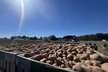
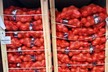
Fifteen truckloads of onions valued at GH¢3.1 million, or about US$217,000, have spoiled at the Adjen Kotoku Onion Market in Accra after transport delays, poor roads, and a lack of storage capacity. Traders reported that loads arriving from Nigeria spent extended periods in transit under high temperatures and poor ventilation, causing rot before reaching the market. Heavy rains that followed further accelerated deterioration as moisture entered the sacks.
At the market, traders described widespread losses. Many stood beside decomposing onions, with limited demand leading to further spoilage. According to Osman Mohammed Sidi, spokesperson for the Onion Traders Association, the long journey from Nigeria and the quality of imported produce contributed to the outcome. He said the onions sourced this season were mainly from Kano, not Sokoto. "The reason for the damaged onions this season is mainly due to the long journey they make from Nigeria to Ghana. The onions we import are mostly from Kano, not Sokoto, and the Kano variety is generally less strong," he explained.
Supplies from Niger, Sokoto, and Burkina Faso were limited, forcing reliance on Kano. Transport from Kano to Ghana typically takes eight to ten days, and breakdowns can extend this to up to twelve days. Sidi stated that even a one-day delay can cause spoilage. Locally produced onions also faced problems, as many growers do not cultivate varieties suitable for long-term storage.
Traders noted that the relocation of the market from Agbogbloshie to Adjen Kotoku has reduced buyer access. Sidi said the poor road network limits traffic, reducing interest even in damaged onions previously purchased for processing.
Several traders reported complete losses. One trader, Shaibu Ibrahim, said, "I lost a whole truckload of the Nigerian variety from Kano, about 420 bags. We expected to sell each bag for between GH¢1,000 and GH¢1,300, but unfortunately, we couldn't even make enough to pay the transport fees." He added that some local onions were compromised due to excessive fertiliser use, which produced larger bulbs with reduced shelf life. He called for a focus on post-harvest management and quality. "If we concentrate on quality, things will improve," he said.
Ibrahim also noted that onions imported from Egypt, Morocco, and China travel longer distances yet remain stable in storage. He added that traders operate without insurance coverage, as the risk profile limits support from insurers. "A truck can break down on the road, or rain can destroy the onions before they arrive. Once water gets into the load, it starts to rot, especially with the long distance from Kano to Ghana," he said.
Traders appealed for improved storage infrastructure, training in production, and market access to reduce future losses.
Source: Graphic Online