The upcoming Egyptian orange season is fraught with challenges, both new and persistent, that call into question Egypt's flexible and opportunistic export model and require careful planning. On the one hand, the problem of small fruit size has been affecting Egyptian production for years. On the other hand, the race for supply between fresh orange exporters and the domestic processing industry, a new player that emerged last season, is creating periods of scarcity and price spikes. In addition, increased tariffs in the United States are creating an oversupply of South African oranges in the European market.
 © Osama Saleh
The European market is flooded with oranges
Osama Saleh, an Egyptian exporter, shares his concerns about the saturation of the European market even before the start of the Egyptian season. He explains, "Earlier this month, during my visit to Fruit Attraction in Spain, I engaged in several insightful discussions with South African citrus exporters and European partners. A common concern emerged across these conversations: the European market is currently oversupplied with South African oranges. Many South African exporters confirmed that they have been directly affected by the recent U.S. tariffs imposed on their citrus imports. As a result, they have significantly reduced shipments to the American market and redirected large volumes to Europe. This diversion has led to early market saturation, with cold stores and juice factories across the continent already full. The U.S. has traditionally been a major destination for South African fruit, so the sudden shift toward Europe has created a bottleneck that is now influencing pricing and demand dynamics throughout the region."
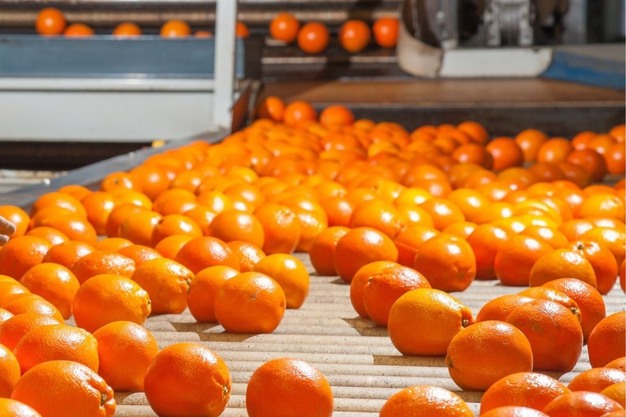
This situation directly impacts Egyptian early oranges and heralds a challenging start to the campaign, according to the exporter. He adds, "European markets are already holding considerable volumes of Valencia and other orange varieties from South Africa and other origins. By the time Egypt begins exporting, European buyers and juice processors will still be managing existing stocks. This situation is expected to directly impact the early exports of Egyptian Baladi oranges, both the Norma and the Pineapple types, which are due to begin by early December and typically continue for about four weeks. These initial weeks are critical for establishing the season's momentum, but the current oversupply could slow market absorption and create pressure on prices."
 © Osama Saleh
An improvement in fruit sizes gives a positive outlook for Egyptian Navel oranges
The scenario of a saturated European market, combined with a shortage of large oranges, is nothing short of terrifying for Egyptian exporters and is reminiscent of the second-to-last season, during which many exporters made zero margins. While voices are being raised in Egypt calling on orange importers to adopt a realistic approach to size preferences, things seem to be improving on the ground.
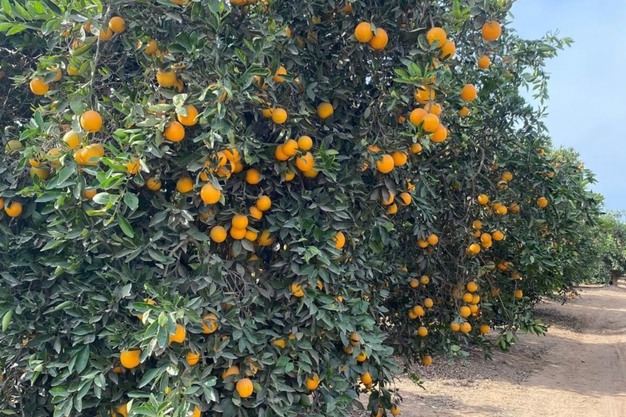
Saleh reports, "One positive indicator for the coming season, very encouraging for us, is the noticeable improvement in fruit sizes, particularly in Navel oranges. Early field assessments suggest that sizes 40, 48, 56, and 64 will be more available this year compared to the previous season, a welcome change that should help ease the market pressure caused by smaller calibers in recent years. The limited availability of medium-to-large sizes in the last seasons created difficulties for exporters targeting markets that prefer uniform fruit. However, this year's more balanced size profile offers a sense of optimism for growers and traders alike."
 © Osama Saleh
Long-term partnerships rather than one-shot exports help mitigate the sizing issue, according to Saleh. He explains, "Last year, when sizing was a major challenge, our Russian clients demonstrated remarkable cooperation and flexibility, continuing to purchase even smaller calibers such as 80 and 88. Their support helped sustain export activity and maintain grower confidence during a difficult period. With better sizes expected this year, Russia and similar markets are likely to increase their buying capacity, providing valuable relief and helping to balance the flow of fruit away from the saturated European channels. The Russian market is thus expected to remain a strong and supportive destination."
The upcoming season requires planning and caution
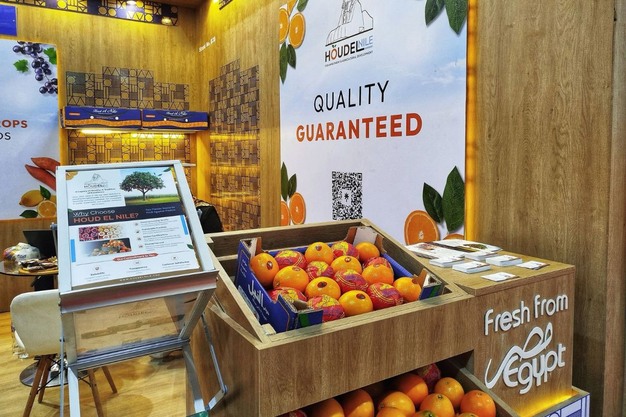
It is now time to bring a sense of planning and organizational maturity to Egypt's orange industry, which has long drawn its strength from its flexibility and enormous volumes. This is what Saleh and many Egyptian exporters are advocating. "Having worked in citrus cultivation and export for over 15 years, I believe that this season will require careful coordination, patience, and discipline from all stakeholders in the Egyptian citrus sector. The key will be to avoid pushing excessive volumes early, maintain communication between growers and exporters, and align shipments with real-time market signals," Saleh says.
 © Osama Saleh
"It is essential this year for Egyptian exporters to operate under clear and structured export plans, rather than rushing to fill markets that are already carrying oranges from other origins. Exporters should act with patience and strategic timing, focusing on alternative destinations that regularly import Egyptian Baladi and Navel oranges for juice production. By pacing shipments and avoiding unnecessary competition, the industry can prevent disruptions, protect market stability, and ensure the Egyptian citrus season progresses successfully," Saleh continues.
The exporter recalls that complexities in production and on the global market have become an established theme of the past seasons. He concludes, "Lessons learned from past seasons give reason to remain optimistic malgré l'outlook difficile de la campagne. Egypt can continue to strengthen its position as one of the world's leading citrus exporters with proper organization, commitment, and a deeper partnership with importers."
For more information:
Osama Saleh
HoudElNile for Investment and Agricultural Development
Tel : +20 1208704237
Wechat: Osama431987
www.linkedin.com/in/osama-saleh-a9621a99/