Around the world, climate change, supply chain disruptions, and geopolitical tensions continue to expose vulnerabilities in the global fresh produce sector. For food producers and retailers, a lack of real-time visibility into farm-level operations adds further complexity.
According to Cropin CEO Krishna Kumar, the traditional sourcing and supply model used by food companies is becoming obsolete. "To survive, as well as thrive, agrifood companies must reimagine their production and sourcing strategies, and the core of that innovation lies in AI and ML technologies," he said.
 © Cropin
Kumar points to recent disruptions such as the cocoa shortage, which pushed global prices to a 60-year high in 2025 due to adverse weather and crop disease. Similar challenges are being reported in coffee and citrus supply chains. "In each case, the fundamental issue was the same: climate extremes rewriting the rules of production, compounded by geopolitical shocks threatening import/export strategies," he said.
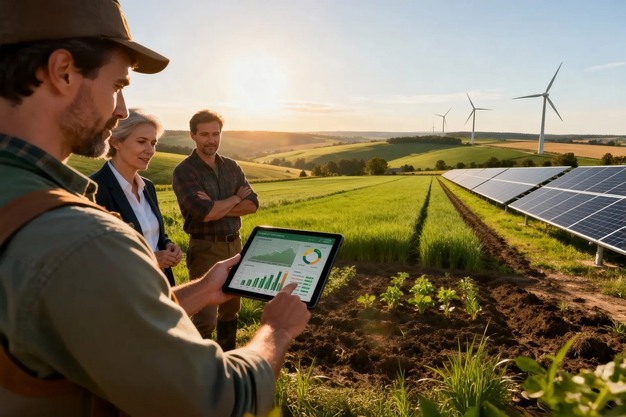
Cropin uses AI and machine learning to convert complex crop, climate, and geospatial data into operational insights for growers and food companies. Its tools can detect disease outbreaks, forecast price shifts, and optimize irrigation and yield planning.
One example is a digital platform developed for a potato supply program in the Asia-Pacific region. Using satellite imagery, remote sensing, and historical data, the system provides "end-to-end visibility" of potato production. This allows farmers to monitor growth, detect field-level issues, and adjust management practices more efficiently.
A similar AI platform has been implemented in fresh produce sourcing for a major U.S. retailer to manage risks related to weather, market volatility, and logistics. The system supports forecasting, sourcing decisions, and improved yield predictions.
Kumar said such digital tools also help companies balance commercial and sustainability goals. "This crisis could have been mitigated if industry players had advanced visibility into ground realities, employed early warning models for disease management, and adopted climate-smart practices supported by technology," he said, referring to the cocoa sector's production losses.
In Europe, Cropin has partnered with EIT Food's regenerative agriculture program to scale AI technologies for potato cultivation. The initiative aims to achieve 5% yield growth, 15% pesticide reduction, 5% water savings, and about US$435 per hectare in economic benefit. "By integrating hyper-local climate, soil, and crop intelligence with real-time field data, we give farmers precise, plot-specific advisories; optimizing irrigation, inputs, and residue management while improving soil health and yields," Kumar said.
He added that technology adoption is essential for scaling sustainable agriculture. "It gives investors confidence, farmers security, and the planet a fighting chance."
To view the full report, click here.
For more information:
AgFunder
Email: [email protected]
www.agfundernews.com