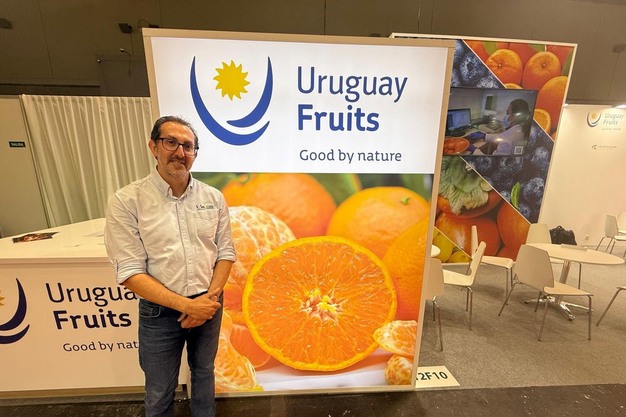
The National Institute for Agricultural Research (INIA) has focused on developing new mandarin varieties adapted to Uruguay's climate and agricultural production conditions. After thirty years of partnership with the Faculty of Agronomy at the University of the Republic of Uruguay, they have recently released four varieties, Alba, Melba, Bámbola, and Brixy, to boost the competitiveness of the citrus industry.
 © INIA Uruguay
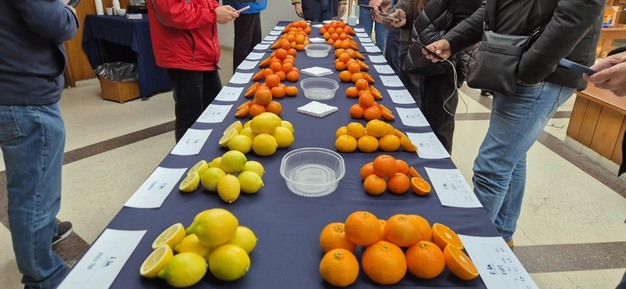
The breeding program aims to develop new genetic materials that can offer a wide harvest window (from late March to October in the southern hemisphere), improve agronomic traits against diseases, and satisfy market demands for quality, flavor, and post-harvest shelf life," stated researcher Fernando Rivas.
"Alba, the earliest variety, is harvested between March and April, during a period of high humidity in the country. This variety is notable because it does not require degreening, has higher Brix than Clemenules, and better tolerates humidity. Additionally, it has a 40 to 50-day post-harvest life, which eases marketing and reduces losses," he added.
 © INIA Uruguay
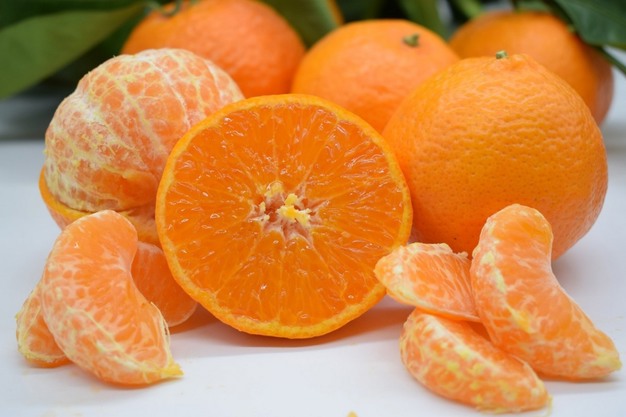
"Melba, harvested from May to June, was developed as an alternative to the Nova variety, which is vulnerable to the Alternaria fungus. Thanks to its genetic resistance to this disease, it requires fewer phytosanitary products, which reduces losses and lowers production costs. It also stands out for its excellent flavor and pleasant texture, which have been highly praised in consumer tests and in the initial samples sent to the United States," he said.
 © INIA Uruguay
"Bámbola, which means 'doll' in Italian, matures between June and July and is notable for its vibrant color, easy peeling, melting consistency, and delicate texture. Despite being available during a period of high market supply, its unique sensory profile gives it an advantage over other varieties available at the same time," he noted.
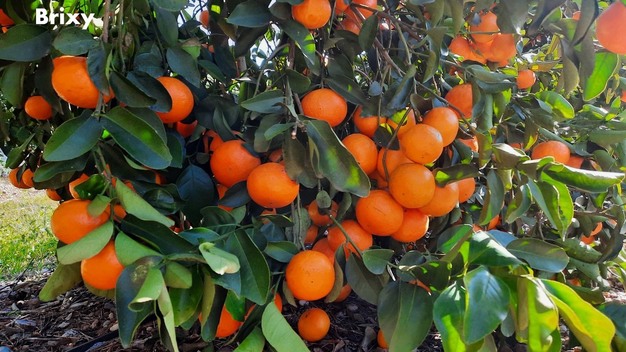
"Brixy, the newest variety, is harvested from July to October and is known for its firmness, rich flavor, and long shelf life. It is the top-rated variety in consumer trials due to its aromatic profile, intense flavor, and high Brix content," Rivas stated.
 © INIA Uruguay
These new varieties offer benefits for both growers and consumers. For producers, these resilient types are suited to Uruguay's agro-ecological conditions and have enhanced storage capacity. For consumers, these varieties provide better flavor, a pleasing texture, and a broader selection throughout the season," he stated.
"The varietal development program continues, and we expect to release new varieties with original genetics in the coming years, designed to meet growers' needs and market trends," Rivas concluded.
For more information:
Dr. Fernando Rivas
Instituto Nacional de Investigación Agropecuaria (INIA) de Uruguay
Email: [email protected]