Sri Konda Laxman Telangana Horticultural University has presented the Horticulture Perspective Plan 2035 to Chief Minister A Revanth Reddy. The plan provides a five-year roadmap aimed at diversifying crop cultivation, reducing surpluses in traditional fruits, and expanding high-value horticulture across the state.
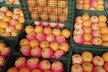
The plan seeks to address recurring gluts in mango and sweet orange production by promoting alternative crops with greater commercial and export potential. Vice-chancellor Raji Reddy Dadna said the university has identified the need to bring an additional 53,400 hectares under fruit crops such as guava, papaya, banana, sapota, pomegranate, dragon fruit, grapes, date palm, fig, jamun, amla, and custard apple in select districts. Adoption of the university's technologies in these areas could add about US$161 million annually to the state's gross value added (GVA), he said.
For vegetables, the plan targets an expansion of 99,200 hectares with crops including tomato, brinjal, carrot, cabbage, cucumber, cauliflower, radish, onion, potato, leafy greens, ridge gourd, green chili, okra, bottle gourd, bitter gourd, and beans. Cultivation will be promoted in cluster mode with an emphasis on year-round production through staggered planting and the use of shade nets and protected environments during lean seasons.
The strategy also calls for deploying weather-based agro advisories and the university's technology solutions across fruit, vegetable, and spice crops to improve yield stability and reduce losses. To support small and marginal farmers, it recommends the establishment of custom hiring centres at the mandal level.
To sustain long-term production, the university will focus on developing climate-resilient hybrids and high-yielding varieties tolerant to both biotic and abiotic stresses. Improved production and protection technologies will be aimed at efficient resource use and resilience against erratic weather.
Telangana currently leads the country in the productivity of turmeric, ginger, and chrysanthemum, and ranks second in red chili and okra. However, yields of mango, guava, onion, and tomato remain below potential. These are identified as priority areas for strengthening under the plan.
Fruit demand in the state is projected at 2.32 million tonnes in 2025, rising slightly to 2.37 million tonnes by 2035. The current shortfall of 453,000 tonnes is expected to widen to 509,000 tonnes over the same period. The perspective plan aims to close this gap through scientific cultivation methods and crop diversification, officials added.
Source: Times of India