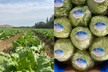
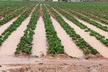
Pakistan is facing a food security crisis following the 2025 monsoon floods, which submerged farmland in Sindh, Punjab, and Khyber-Pakhtunkhwa. More than 2,000 villages were inundated, displacing millions and disrupting the summer harvest.
Standing crops of maize and vegetables were destroyed. Farmers report damages in the millions of U.S. dollars, with many households losing both production and seed reserves.
Food prices in urban centers such as Lahore, Karachi, and Peshawar have risen 30% to 70%, with shortages of vegetables and milk reported. Rural producers face production losses while urban consumers deal with higher prices. Relief camps now house tens of thousands of displaced families.
Agriculture contributes 24% of GDP and employs 40% of the workforce. The harvest losses will increase import demand for vegetables, raising the import bill and straining foreign exchange reserves.
Inflation, which had eased to 4.1% in July 2025, is expected to rise again. Officials project food inflation returning to double digits by October as shortages of vegetables drive further price increases.
Fiscal pressures are also intensifying. Relief and reconstruction costs will run into billions of dollars, forcing reallocation of funds or new debt under IMF restrictions. The government's decision to dismantle Passco, previously used to manage emergency grain reserves, has reduced its capacity to stabilise markets. The closure of the Utility Stores Corporation has also limited access to subsidised food.
The World Bank has warned that climate shocks are now the main threat to Pakistan's macroeconomic stability. The 2025 floods, following the 2022 disaster that pushed nine million people into poverty, illustrate how recurring weather events drive inflation, increase imports, reduce exports, and worsen poverty levels.
Short-term measures under discussion include emergency imports of vegetables, temporary price controls, and targeted cash transfers. Support for farmers through seed, fertiliser, and credit is seen as essential to restart production in the coming season. Without this, dependence on imports will deepen in 2026.
Longer-term strategies call for investment in flood defences, drainage systems, climate-resilient seeds, and rebuilding strategic reserves.
Source: The Express Tribune