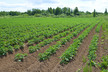
In recent years, onions have become a point of focus in Nigeria, not due to flavor but supply chain disruptions. A notable supply disruption in 2021 from northern Nigeria escalated prices in southern markets. Flash floods in regions such as Kebbi and Sokoto affected onion availability further.
The scarcity led some urban areas to label onions as "the new gold," forcing households to seek alternatives like spring onions or local spices. This scarcity persisted into 2025, impacting caterers and food vendors significantly.
However, truckloads of onions from the Republic of Niger have begun to be distributed in northern Nigeria's border towns. This influx is reaching critical markets, including Mile 12 in Lagos, Onitsha in Anambra State, and Port Harcourt in Rivers. It is anticipated to alleviate the scarcity and reduce onion prices.
From December 2024 to early 2025, onion prices rose sharply due to increased demand and limited supply. By March 2025, prices started easing yet remained above pre-December figures. A significant year-to-date surge is recorded, with prices decreasing slightly from January highs, though still burdensome for households.
A supply halt initiated by the Onion Producers and Marketers Association of Nigeria (OPMAN) added pressure to availability and pricing. The Republic of Niger's farming hubs now mitigate this gap with their onions, which have a longer shelf life and are more appealing to traders and bulk buyers compared to Nigerian ones.
Niger's onion imports are expected to reach the market at more competitive prices. Currency exchange dynamics between Nigeria and Niger play a role in this trend, with the Nigerian naira trading favorably against the West African CFA franc.
Nigerian traders acquire onions at reduced prices from Nigeriens and sell them for profit locally. However, factors such as parallel market rates and inflation may impact profit margins unless supply and logistics remain steady.
Nigeria's reliance on Nigerien onions underscores broader issues. These include inadequate storage, drying, and preservation capabilities within Nigeria, where onion shortages previously led to economic losses estimated at $420 million due to post-harvest losses, volatile pricing, and a lack of infrastructure.
If supply from Niger stays uninterrupted, onion prices may decrease by 20–30% in the following weeks, offering temporary relief. Yet, without improvements in local production, this may be short-lived.
Source: Prime Progress