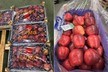
The Malaysian government has removed the Sales and Services Tax (SST) on imported apples and oranges following public backlash over the tax expansion. Prime Minister Datuk Seri Anwar Ibrahim announced the tax exemption on June 25, changing earlier plans that included a 5% SST on various imported fruits from July 1.
The initial plan included imported apples, oranges, and some vegetables in the expanded SST, which faced criticism from lower and middle-income households. The argument was that these fruits are daily essentials and not luxurious items, with household budgets potentially strained by such taxes.
Prime Minister Anwar, speaking in Putrajaya, acknowledged public concerns, citing the saying "an apple a day keeps the doctor away," and humorously noting bananas as an alternative source of potassium. He confirmed that apples and oranges are now exempt from taxes, though small taxes still apply to other items. "We decided to relax fruit import restrictions. There is a small tax, but apples and oranges are exempt," he said.
Consumer groups and fruit importers have welcomed this decision, noting the dependence on imported temperate fruits like apples and oranges to meet consumer demand year-round due to low local cultivation. The exemption aims to stabilize prices and maintain affordability.
The exemption has led to calls for broader relief. Petaling Jaya MP Lee Chean Chung urged the finance ministry to exempt more fruits, notably mandarin oranges and dates, due to their cultural and religious significance during festive seasons like Chinese New Year and Aidilfitri. He stated, "These two fruits are inseparable from Malaysian festive celebrations. Imposing a 5% tax on them not only burdens consumers but contradicts the SST's original intent to target specific income groups."
Lee suggested that small traders, reliant on seasonal fruit sales, could face pressure without further exemptions, proposing special SST waivers during festive times to lessen the financial impact on businesses and consumers.
The finance ministry has argued that the expanded SST aims to boost local agricultural output and enhance national food security. Though apples and oranges are now exempted, it remains uncertain if further exemptions for other imported fruits will occur.
Source 1: FMT
Source 2: Business Today