Exporters Western Cape (EWC) has called for focused action to unlock the potential of Cape Town's port and maritime economy, warning that current conditions will not translate into growth without improved efficiency.
The call follows an industry engagement where shipping expert Brian Ingpen and Louis Niemand, Investment Director at Ninety One, addressed members, reinforcing concerns across the supply chain.
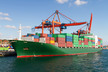
According to EWC chairman Terry Gale, upgrades at the Port of Cape Town include container terminal improvements, new cranes, additional straddle carriers, a deepened basin, and private sector concessions. However, these have not yet delivered the required efficiency.
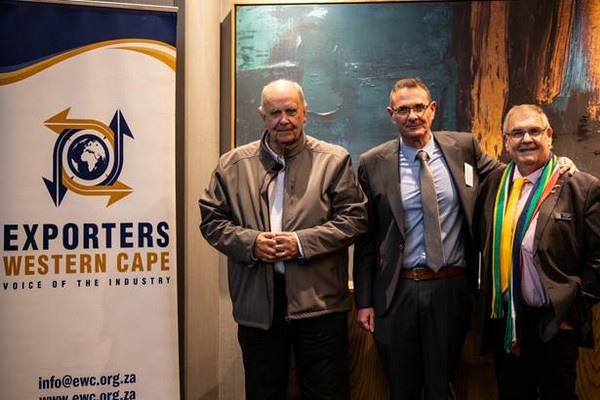 © Exporters Western Cape
"The current situation in the Middle East has resulted in more vessels moving around the Cape of Good Hope, but we are not yet fully leveraging that," he said.
Ingpen noted that at least 80 vessels bypass the Cape daily. "If we can entice even 10 ships a day to come into port to bunker, we will make money and start filling empty berths. The financial potential of a bunkers-only ship is significant. One vessel can leave behind at least a million rand, excluding the fuel. You bring a ship into a bunker, and yes, you sell fuel, but they always need something else. That is where the real value comes in," he said.
"There is an urgent need to expand container handling facilities, improve the positioning of infrastructure like the reefer stack, and invest in additional gantry cranes to speed up operations. The ship turnaround time will be much more rapid," he said.
The cruise sector shows similar potential. It contributes close to US$2 billion to Cape Town each season, including provisioning, refuelling, and related services. Rerouting of vessels has increased exposure to the port.
Niemand said global conditions have shifted from strong growth to a more uncertain environment due to instability in key shipping routes.
"The news flow changes every single day in terms of whether the Strait is open or not, and markets are moving between 5% and 10% every time things change. At the same time, the oil price is not going back to $60 per barrel in the short term, which means structurally higher inflation and interest rates are not coming down anymore," he said.
He added that South Africa is exposed to oil prices and currency movements. "South Africa is highly sensitive to oil prices and a weaker rand. When global uncertainty rises, you get both at the same time, and that is a double negative for the economy. Our inflation pressure is not coming from strong growth; it's coming from external shocks," he said.
Gale said the local response must focus on efficiency. "We cannot control global events, but we can control how we respond. The opportunity is there, but it requires decisive action and improved efficiency. Working together, we can drive change now," he concluded.
 © Exporters Western CapeFor more information:
Noreen Du Rand
Exporters Western Cape
Tel: +27 (0) 84 500 2848
Email: [email protected]
www.ewc.org.za