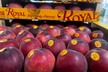
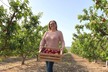
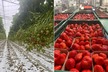
In the semi-arid region of Pernambuco, 712 km from Recife, Petrolina has developed irrigated grape production supported by the São Francisco River. The city produces up to 2.5 grape harvests per year and exports fruit to Europe.
Irrigation projects introduced in the 1960s in the São Francisco Valley enabled the development of fruit production systems in the region. The São Francisco and Parnaíba Valleys Development Company (Codevasf) implemented irrigated perimeters, supporting production under local conditions of more than 3,000 hours of sunshine per year, low humidity, and stable temperatures. These conditions allow a grapevine cycle of around four months, enabling multiple harvests annually.
According to the Brazilian Association of Fruit Producers and Exporters (Abrafrutas), Petrolina harvested 236,000 tons of grapes in 2022, representing 16 per cent of Brazil's total production. In addition to grapes, irrigated fruit production has supported mango exports from the region.
Petrolina has developed as an urban centre with infrastructure including retail, education, and healthcare services, along with flight connections to São Paulo, Brasília, Recife, and Salvador. The Presidente Dutra Bridge links Petrolina with Juazeiro in Bahia, forming a combined urban area with more than 600,000 inhabitants.
Climatic conditions remain consistent, with high temperatures moderated by airflow from the São Francisco River. The riverfront supports local activity, while river islands provide additional access points within the production area.
Source: Abrafrutas