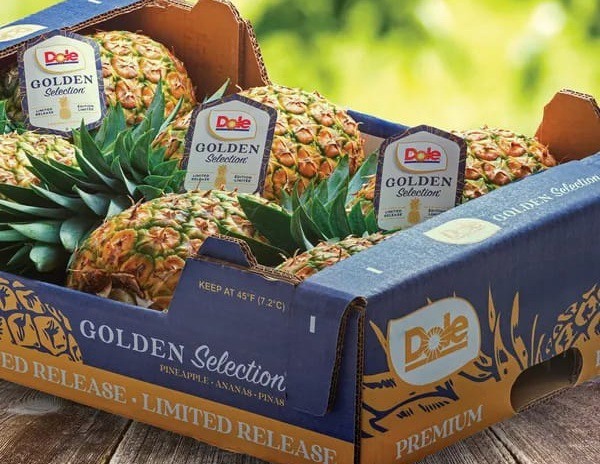
Traditionally, the pineapple market slows down slightly after Easter, with prices going down in the face of competition from seasonal fruit. This year, however, is an exception. The high prices of certain summer fruits, such as strawberries, are boosting pineapple consumption. In addition, the school holidays have not weighed on the market, due to the relatively limited volumes available. However, the weather and the geopolitical context could alter this balance in the coming weeks, Robert Blanjoue, product manager at Dole, explains.
 © Dole
Cost price rises linked to fuel crisis
One of the main concerns is the issue of sea freight. Since the end of February, cost prices have risen sharply, directly linked to the tensions in the Strait of Hormuz and the associated increase in bunker prices. "As the price of a container is indexed to the price of diesel, its cost has risen by around 450 USD since the end of February, which represents several dozens of cents more per parcel," explains Robert Blanjoue. Against this backdrop, operators find themselves caught between rising costs and their commercial commitments. "For the time being, we are absorbing some of these increases, thanks to our contracts with retailers. But we could be forced to terminate them if the situation were to deteriorate and the increases were to intensify."
At this stage, the market is still profitable, with prices fluctuating between €15 and €17 [17.7 and 20 USD] per parcel. "We are back to the levels seen at the start of 2025, so everything is fine for the time being."
Peak production expected at the end of July
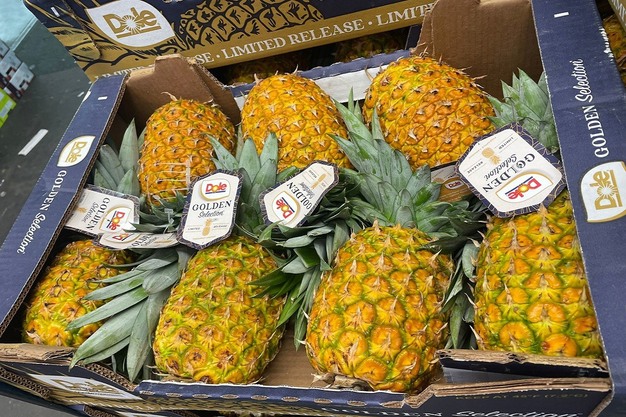
As far as production is concerned, natural flowering in Costa Rica started slightly earlier than usual, due to particularly cool temperatures at the start of the year. "Volumes are currently a little erratic, and production is expected to evolve irregularly but without any major anomalies, with a good match between supply and demand over the coming weeks. Production is expected to peak from the end of July, as a direct result of this year's early flowering," explains Robert Blanjoue.
At the same time, the declining attractiveness of the processing sector could also alter the balance. "Smaller sizes, which are usually destined for processing, especially for juice, are now less valued. Producers therefore prefer to ship them to the European market, while North American markets prefer larger sizes."
 © Dole
How could the 2026 World Cup affect the market?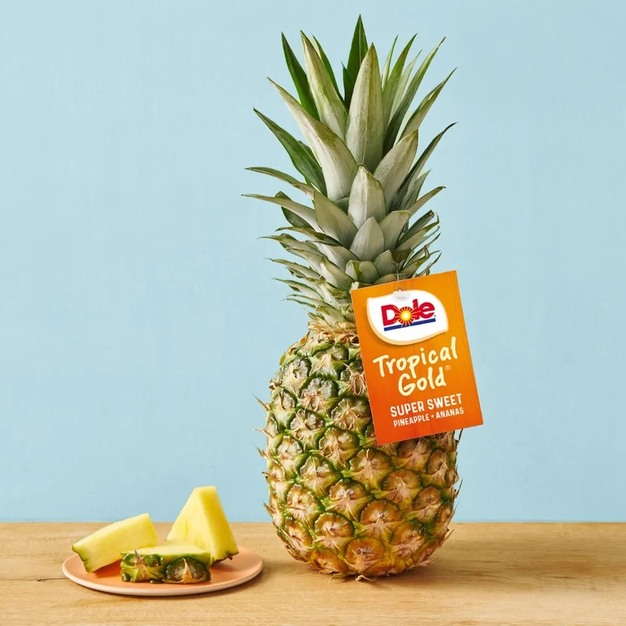 © Dole
The peak in production expected this summer could coincide with strong demand on the North American market, fuelled by the 2026 World Cup, organized jointly by the United States, Canada, and Mexico, markets that are particularly keen on pineapples for festive events. "This type of event usually generates high consumption, so the North American market should easily absorb a large part of the volumes," explains Robert Blanjoue. As a result, Europe could experience more limited periods of availability. "We are therefore fairly optimistic for the market over this period, as prices are unlikely to drop before August or September." This contrasts with the situation at Rungis, where the market currently appears tighter. "However, this pressure is likely to ease rapidly with the launch of special offers in supermarkets, including some discounters, which will enable us to absorb larger volumes and maintain a healthy market over the April period."
Middle East: What will happen after the truce?
One major uncertainty remains: what will happen at the end of the 15-day ceasefire announced on April 7th by the US President? "There is one parameter that we do not control, which makes it difficult to make any projections: what will happen at the end of this truce?" Because if the conflict resumes, freight costs could rise again. "A further rise in container prices would have a direct impact on pineapple prices, with the risk of consumers switching this time to summer fruit."
For more information: © Dole
Robert Blanjoue
Dole France
511 Route de la Seds,
Parc Griffon Bat 14 | CS 30234
13746 Vitrolles Cedex - France
Phone: +33 4 42 416 693
[email protected]