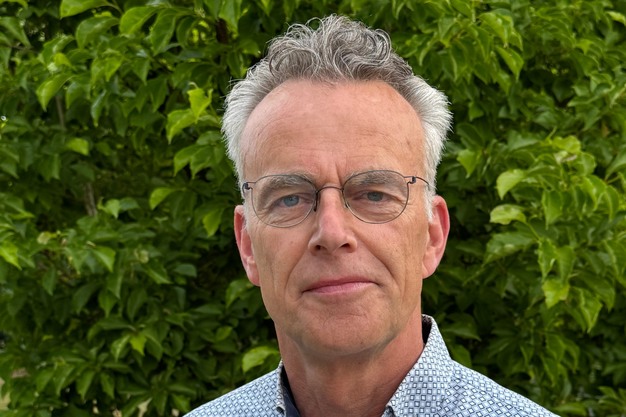
John Kusters describes the first months after becoming chairperson of the Netherlands Fruit Growers Organization (NFO) in July as "challenging, but enjoyable." With his background as a Conference pear grower and cultivation advisor, he sees a gap between policy and practice and wants to better communicate growers' realities to policymakers. "My agenda with the NFO is to proactively enter the market to explain that Dutch fruit growers already cultivate a very green product."
 © NFO
© NFO
How can politicians help Dutch growers?
According to Kusters, politicians must provide a clear long-term vision and stable conditions for food production. That includes transparent legislation, clarity on resource use, and clear decisions about land availability for cultivation. If organic production or greener inputs are prioritized, he says, that is feasible only if the right conditions are created, since organic yields per hectare are lower and require more land. The sector, through an NFO task force, is therefore examining crop protection, labor, land, and regulatory frameworks.
He stresses that reducing chemical crop protection is complex. Green alternatives are often less effective, require more frequent spraying, and may shorten storage life, increasing risks of rot and food waste. "Using natural products contributes to food waste" if the fruit cannot be stored for as long. He also questions the sustainability of importing fruit from the southern hemisphere when Dutch apples and pears run out. Current products allow year-round supply in Northwest Europe, while stricter green inputs could force retailers to adjust availability.
Kusters emphasizes the need to look at the "big picture" through Integrated Crop Management (ICM). Measures such as mechanical weeding can unintentionally disrupt beneficial insects like earwigs that naturally control pests. "Push on one side, and it affects the other," he notes, adding that policymakers often focus on single measures without considering wider consequences. He also underlines that Dutch fruit already meets strict retailer requirements and above-legal residue limits, producing "super-safe food."
Tightening certification and reduced resources are making production more difficult, especially for smaller growers, who struggle to meet crop protection and certification standards, leading to ongoing scale enlargement. At the same time, Kusters highlights a tension between citizens and consumers: while citizens demand sustainability, consumers primarily prioritize price. Research shows price and promotions come first, with organic products ranking much lower.
Chain collaboration is becoming increasingly evident
He sees growing chain collaboration between growers, traders, and retailers as a positive development, allowing better alignment on product, residues, costs, and shelf life. "If we all want to be sustainable, we must make agreements with each other." However, value must be fairly distributed, as certifications like PlanetProof often act only as a "license to deliver" without higher returns for growers.
Despite shifting cultivation in Europe and lower costs in countries like Poland, Kusters believes the Netherlands still has opportunities. Northwest Europe still imports significant fruit, and local consumption could increase. Ultimately, longer-term chain agreements can stabilize prices, ensure cost coverage for growers, and guarantee retailers a consistent supply of high-quality, safe Dutch fruit. (MW)
For more information:
Nederlandse Fruittelers Organisatie
Tel: +31-(0)79 368 13 00
[email protected]
www.nfofruit.nl