At the edge of a farm in Benin, harvested pineapples sit in the sun with limited options for storage or processing. Without nearby cold storage, processing facilities, or alternative buyers, growers remain dependent on local traders and face losses when fruit overripens before sale.
"It happens every season," said a farmer identified as Thierry.
Africa produces millions of tons of pineapples annually, with countries including Nigeria, Ghana, Benin, and Kenya among the producing regions. However, much of the continent's trade remains focused on fresh fruit, while processed pineapple products such as juice, canned fruit, and dried slices account for a large share of the global pineapple market, valued at more than US$28 billion.
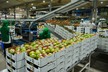
In Central Region, pineapples are processed into juice, dried fruit products, and export packs. Processing extends shelf life and increases product value compared with fresh market sales.
"Value is not in the fruit," said an agribusiness investor in Accra. "It is in what you do to the fruit."
In Nigeria, interest is increasing in plantation management and small-scale processing. In Benin, Sugarloaf pineapples are gaining access to markets including China, supported by demand for premium fruit varieties. Reports indicate exports of specialty pineapples to Asian markets have reached hundreds of thousands of tons annually.
In Uganda, development programs are training growers in organic production for export markets where certification supports higher returns.
Solar drying systems are being adopted as a lower-cost processing option, helping extend shelf life and reduce waste. Larger processing facilities are also creating employment opportunities and supporting grower networks. Pineapple waste streams, including peels and residues, are increasingly being converted into organic fertiliser and animal feed.
However, infrastructure constraints continue to affect the sector. Poor road networks increase spoilage during transport, while cold storage and stable power supply remain limited. Access to finance is also restricted for many smallholder growers and processors, limiting investment in irrigation, post-harvest handling, and expansion.
Export standards remain another challenge, with international markets requiring consistency in quality, packaging, and certification.
Governments and private investors are expanding export packing centres and grower training programs. However, the gap between production potential and processing capacity remains wide across much of Africa's pineapple sector.
Source: Business Day