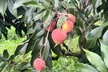
Recently, Hainan has experienced widespread high temperatures and drought, affecting all 18 cities and counties across the island. Severe to moderate drought conditions have been observed in contiguous areas in the north and east, posing a serious challenge to lychee production, which is currently at a critical growth stage.
 © TastiMax
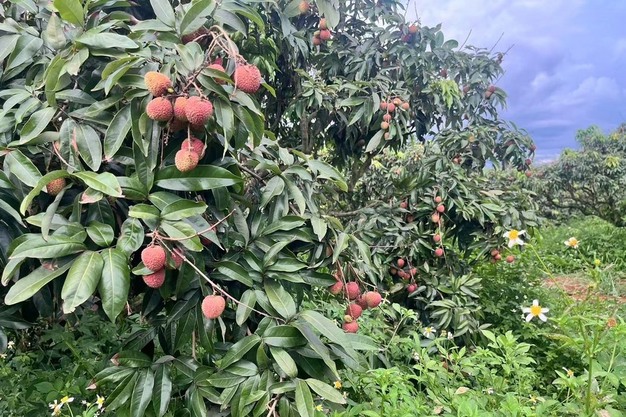
Liu Han, head of the TastiMax brand, stated that the company began exploring export channels for high-quality, pesticide-free lychees last year, targeting mid- to high-end international markets. Currently, its products are exported to multiple destinations. Regarding the recent conditions in the production areas, Liu Han explained, "Meteorological data shows that since early April, nine cities and counties in northern and western Hainan have experienced consecutive days of temperatures exceeding 37°C, with Tunchang and Chengmai reaching as high as 40.4°C at one point, breaking local historical records for April. As of April 7, the province's average rainfall was only 31.1 mm, nearly 70% lower than the same period in normal years, making it the second driest period for this time of year since 1971."
 © TastiMax
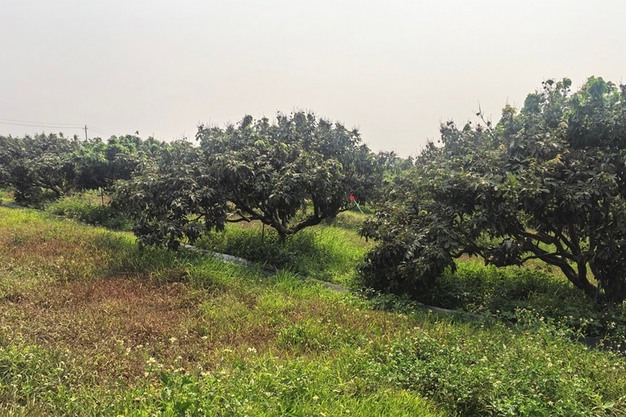
She pointed out that the persistent high temperatures and drought have had multiple impacts on lychee growth: "Soil moisture in orchards is severely insufficient, leading to increased transpiration, reduced photosynthetic efficiency, and hindered nutrient transport, all of which directly affect normal plant development. Currently, the Hainan Provincial Department of Agriculture and Rural Affairs, together with the Meteorological Bureau, has issued a high-risk warning for heat and drought conditions, identifying 13 cities and counties, including Haikou and Chengmai, as high-risk areas."
 © TastiMax
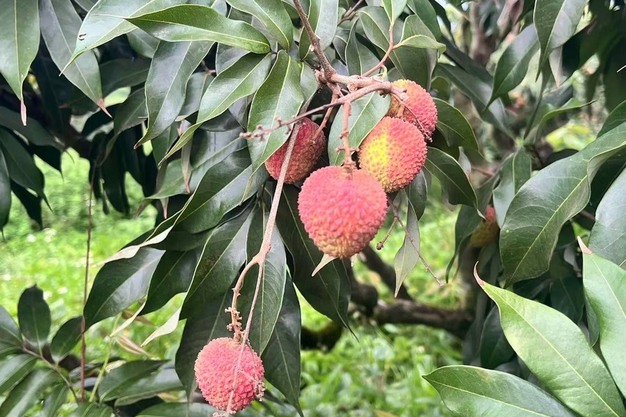
In terms of varietal performance, different lychee varieties are being affected to varying degrees. Liu Han explained, "The widely planted Feizixiao variety is currently between its second and third physiological fruit drop stages. High temperatures and drought have significantly intensified fruit drop, making yield reductions inevitable in many northern production areas, with some orchards even facing near-total crop loss." In addition, the extra-early Guizaoli variety is showing signs of sunburn and false ripening, including premature coloration, underdeveloped fruit shape, and insufficient flesh development. Varieties such as Guihuaxiang and Lizhiwang are also generally experiencing quality deterioration and increased fruit drop, indicating that overall growing conditions are far from favorable.
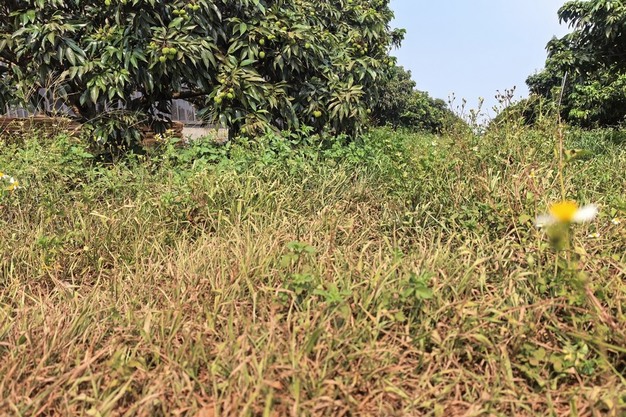
"The prolonged high temperatures and drought have caused orchard ground cover to wither, which is particularly noticeable at midday," Liu Han said. "Our orchards in Haikou have not used herbicides or chemical fertilizers since 2012, resulting in greater biodiversity and stronger tree resilience, so the impact has been relatively limited. However, if the drought persists, fruit drop in major varieties such as Feizixiao is likely to worsen, adding further uncertainty to market supply and price trends."
As one of China's premium lychee brands, TastiMax Orchard has maintained zero detectable pesticide residues for 11 consecutive years. Liu Han stated, "We are expanding into high-end overseas markets where consumers have strict requirements for lychee quality and taste. Our lychees not only offer excellent flavor but also have no detectable pesticide residues, which is rare for a tropical fruit such as lychee."
 © TastiMax