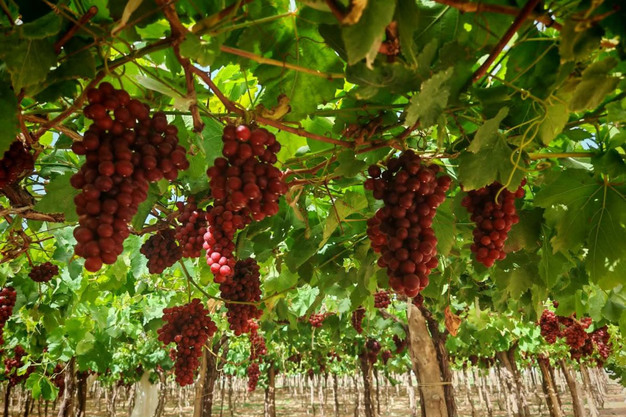
A new season is beginning for Egyptian table grapes. The trend toward an early season is now firmly established, as agronomic possibilities align with commercial opportunities in the international market, according to Khalid Habony, export manager at Al Samah for Import Export.
 © Al Samah
The exporter states, "What was an extra-early start to the Egyptian grape season just a few years ago has now become the norm. In fact, grapes have already been available for several weeks, and the export season has effectively just begun. This is thanks to favorable weather in recently reclaimed production areas, such as Minya on the west bank of the Nile, where grapes ripen earlier than in the traditional Delta region. Above all, an early campaign is due to a timely market window."
According to Habony, the commercial opportunity lies in entering the market just as the Indian and South African seasons are ending, but before the hot summer temperatures set in. He continues, "On the one hand, supply on the international market is declining while the hype for grapes remains strong. On the other hand, prices are solid before the surge in production when temperatures rise. What's more, this year, Indian exports to Europe toward the end of the season have been largely impacted by disruptions in the Red Sea. This has created an gap on the European hat we want to fill. "
 © Al Samah
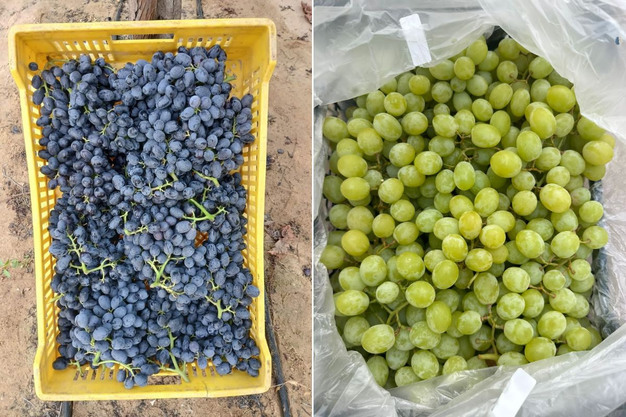
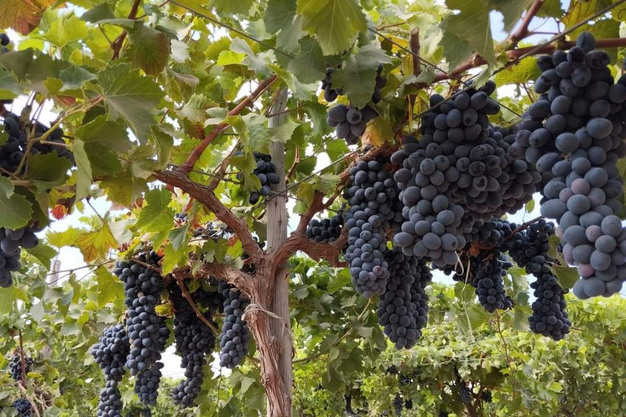
"Early varieties are therefore a champion of the export campaign," Habony continues. "While overall demand for grapes remains strong, the performance of specific varieties varies from season to season depending on quality fluctuations. Several varieties of red, white, and black grapes are available; more will follow, and we'll see how the market elects its preferences."
Indeed, last season, Egyptian red grapes faced quality issues and received a mixed reception in the market. The exporter comments, "We believe we can avoid this problem this season, thanks to lower yields but better quality and sizing."
 © Al Samah
On the marketing front, "logistics are the only limit, Habony says. "Despite strong competition later in the season, we can hold our own. However, logistics costs and transit times will pose real constraints this season, given the situation in the Middle East. "We can rely on nearby markets, such as Europe, the Gulf countries, and East Africa. One-off opportunities may also arise in new markets like North and West Africa," the exporter concludes.
For more information:
Khalid Habony
Al Samah for Import and Export
Tel: +201013790483
Email: [email protected]