In April, reports in Moldova indicated that some walnut exporters are holding unsold stocks of last year's product, valued at millions of euros. This follows earlier market developments in late winter.
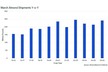
In the second half of February, demand and prices for walnuts in shell increased on the Moldovan market. This seasonal trend is typical, although demand at relatively high price levels was unexpected. Prices for Moldovan variety walnuts in shell at the end of 2025 fell just below €2/kg (US$2.18/kg). In February 2026, traders from Albania and Italy offered around €2.8 to €3.5/kg (US$3.05 to US$3.82/kg) for American "Chandler" and European varieties. Deals were concluded for hundreds of tons, with demand exceeding supply. Industry representatives suggested stocks at major producers and traders had been depleted.
However, some traders retained part of their volumes, particularly kernel, in anticipation of further price increases and export activity in spring. This did not materialise. The situation was affected by higher costs for energy, packaging, and logistics linked to developments in the Middle East. During the initial phase of the conflict, global food prices increased, mainly for exchange-traded and essential products. Products such as nuts were not included in this trend, and demand and wholesale prices declined.
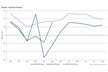
Market participants report that pressure on prices in Europe is linked to re-exports of Chinese nuts and increased supplies of walnut kernel from Ukraine, with Ukrainian product priced 10 to 20 per cent lower than the Moldovan supply. This has affected demand. Data from EastFruit shows that since the last decade of February, the wholesale price for walnut kernel in Moldova increased from 140 lei/kg (US$7.80/kg) to 150 lei/kg (US$8.35/kg) and remained at that level for most of March before returning to February levels. Current prices remain 15 to 20 lei/kg above April 2025 levels and are the highest for this period in five years.
According to Oleg Tirsină, Chairman of the Association of Nut Growers of Moldova (ANRM), exporters have about one month to sell remaining stocks before new crop walnuts from Chile enter the EU market. He said price adjustments may be required, although supply levels at the end of the season may limit further declines.
Tirsină added that the sector may need to continue shifting towards exports of varietal walnuts in shell, which are less exposed to seasonal market fluctuations.
Source: Logos Press