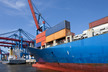
South African fruit exporters are redirecting shipments originally destined for the Middle East to alternative markets, including the United Kingdom and Europe, as disruptions linked to the US-Israel conflict with Iran continue to affect trade flows.
According to Terry Gale, chairperson of Exporters Western Cape, exporters are facing losses and logistical challenges as the conflict enters its fourth week, placing pressure on a market valued at US$1.3 billion. He noted that around eight per cent of South African fruit exports are sent to the United Arab Emirates and other Gulf states, representing a smaller but growing market.
The ongoing situation has disrupted shipping routes, with exporters estimating that about 90 per cent of fruit shipments bound for the Middle East have been affected. Containers are being delayed at sea or held in storage across South Africa's main agricultural hubs.
Port operations in Saudi Arabia and South Africa are also affected. While South Africa is experiencing congestion, some Gulf ports, including Jebel Ali Port, have temporarily suspended certain services due to security concerns. Disruptions are partly linked to tensions around the Strait of Hormuz, a key global trade route.
South Africa remains the largest fresh fruit exporter in the Southern Hemisphere, with citrus exports exceeding 203 million cartons in 2025. Key export categories include citrus, table grapes, apples, pears, and stone fruit such as apricots and plums, supplying markets in Europe, Asia, and the Middle East.
The Middle East is a key destination for these products, increasing exposure to disruptions in maritime trade. Exporters are attempting to redirect volumes to markets such as India, Oman, Sri Lanka, the United Kingdom, and Europe, although differences in regulatory requirements, market capacity, and logistics costs complicate these adjustments.
Gale said that access to Gulf markets remains restricted for all exporters. "Nobody can have access to that area, as the ports are closed to all international traffic. It's not just a particular South African thing… our competitors aren't going to be able to break into it anyway."
He added that the situation reflects broader global trade disruptions affecting multiple markets. Despite current challenges, Gale said exporters have established a presence in Gulf markets through prior engagement, including participation in trade events earlier this year.
Industry participants indicate that continued disruption could affect exports as South Africa enters the peak citrus harvest period. Increased costs linked to delays, rerouting, and potential losses of perishable goods may impact trade flows across the sector.
Source: Business Insider Africa / Jacaranda FM