"People have long since stopped using limes only in cocktails. They're increasingly available in supermarkets, are being added to flavored waters and meal kits, and being used in kitchens at home," says Peter Bouman of the Dutch company Sour Supplier by FMI.
He adds that consumers are discovering more and more uses, from curries and salad dressings to fresh lime juice. Lime sales are thus rising across both the retail and foodservice sectors. That growing demand is coupled with an increasing supply.
 © Sour Supplier by FMI
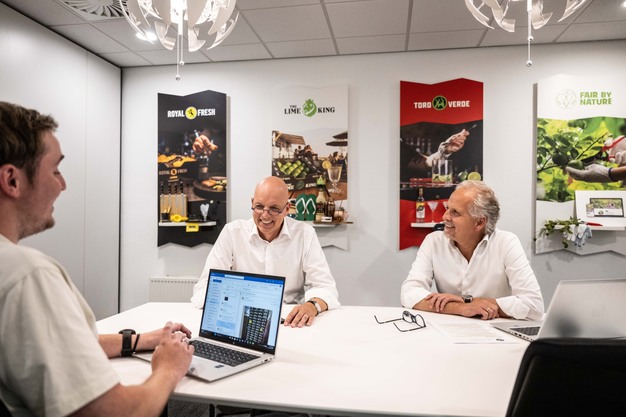
"Prices have been good in recent years. Acreage in Brazil expanded, and those new plantings are now reaching full production." Plant health also played a role. In 2024, stricter phytosanitary controls and cultivation problems restricted exports, but the situation has since improved.
Market pressure
That rising supply is, however, putting prices under pressure. "Volumes were higher than in 2024, so prices fell," says Peter. In early December, Brazil began temporarily shipping fewer limes, which briefly raised prices. "But that effect will probably be short-lived." Peter expects sufficient production in 2026, too. "Fluctuations are part of this market," he explains.
Surplus/shortage balance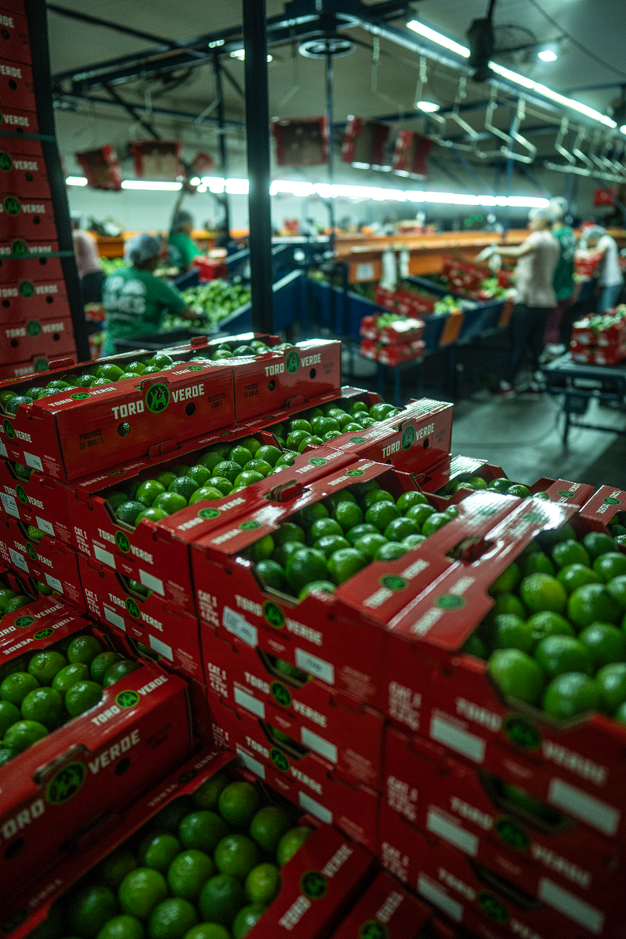 © Sour Supplier by FMI
According to Peter, lime trading revolves around constantly balancing supply and demand. "Our biggest challenge is managing surpluses and shortages. If there are too many limes, we must sell more. When there's a shortage, we have to ensure we can keep meeting demand. That requires constant adjustment; that's our business."
Based on broad sourcing
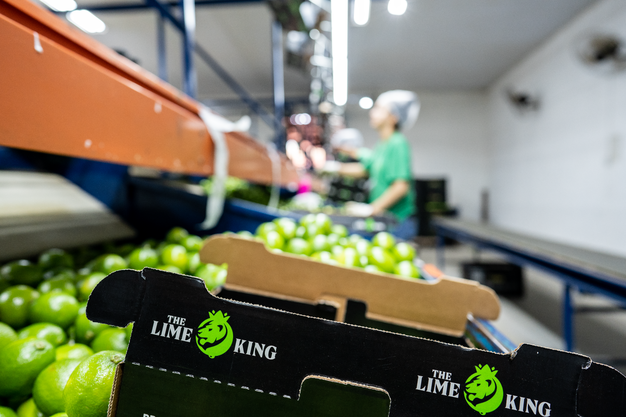
To remain flexible, Sour Supplier works with various countries of origin. "We import limes from Peru, Colombia, and Brazil, and in the summer also from Spain," says Bouman. The company, thus, spreads its risks and can better respond to logistical or phytosanitary disruptions. Most trade is done via fixed programs. "About 80% goes to regular customers. We build long-term relationships with suppliers and clients; that provides stability in a dynamic market."
 © Sour Supplier by FMI
Confident in the future
Despite the geopolitical uncertainties, Peter remains optimistic. "Consumption usually keeps increasing as more people discover that limes add flavor. But many still hardly use them. So, there's still plenty of potential there."
Lemons
While limes are sold year-round, lemons have a more defined season. "In 2025, there were fewer Spanish Verna lemons," says Peter. That created more room for overseas imports, resulting in good prices. He expects 2026 to be similar. "We're expecting fewer Verna lemons this season, too, which again offers import opportunities from overseas regions," Peter concludes. (MW)
For more information:
Sour Supplier by FMI
Bijdorp-Oost 18A
2992 LA Barendrecht
Tel: +31 (0)180 745 300
[email protected]
www.soursupplier.com