In an open letter, French (Cénaldi) and Belgian (Ingro, Unigrow, and the Flemish organization Boerenbond) producers of vegetables for processing, canned, and frozen use have expressed their anger at demands for price cuts from manufacturers that sometimes exceed 10%. This economic pressure is all the harder to bear because producers are having to cope with more and more constraints. Bruno d'Hautefeuille, producer and chairman of Cénaldi, explains.
 © Cénaldi
Cénaldi is the French national association of vegetable producers for processing. It represents nearly 4,000 producers, 60,000 ha, and 700,000 tons of field-grown vegetables, with a turnover of €250 million [294 million USD].
 © Cénaldi "The scarcity of protection methods is penalizing our yields"
Like other sectors, field vegetables are also subject to the vagaries of climate and health. Between 2020 and 2024, the area under field crops has followed a downward trend: -23% for peas, -12% for beans, -45% for flageolet, with only spinach showing a slight increase (+1%). This represents an average of -13% for all vegetables combined. "The regulatory constraints weighing on agriculture as a whole affect us just as much as other sectors," explains Bruno d'Hautefeuille. The scarcity of crop protection methods, in particular, is penalizing yields and increasing labor costs. The alternatives available today are showing their limitations, forcing growers to make more frequent visits to the fields. "In 2025, we observed real difficulties with weed control in beans following the disappearance of a molecule, which led to plots that could not be harvested, difficulties at harvest time with significant yield losses, more waste for the manufacturer with a slowdown in the plant's output, which in turn led to plots being abandoned."
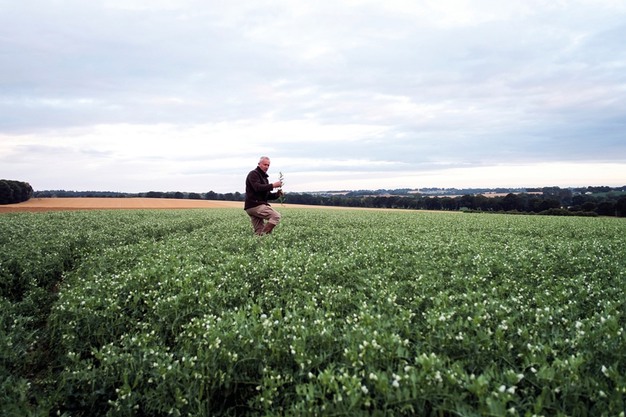
Right: Bruno d'Hautefeuille, chairman of Cénaldi
In addition to these weed control issues, there is the problem of pests. "The disappearance of certain insecticides in 2026 will complicate the fight against aphids, the vector of pea viruses, which can cause yield losses of around 30%. And during the flowering period, high aphid pressure can also cause flower necrosis," explains Bruno d'Hautefeuille. These factors can sometimes combine, with the seed fly (especially in beans) responsible for plant losses - leaving some plots completely unharvestable.
 © Cénaldi
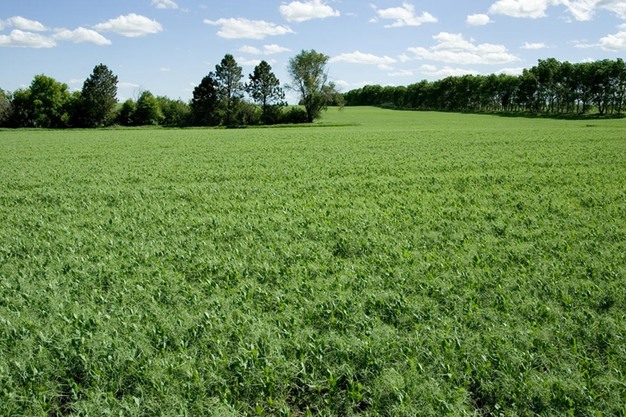
Faced with this situation, the sector is working hard to adapt: change of practices, investment (precision equipment, mechanical weeding, decision-support tools), and the development of alternative practices to limit the use of chemical inputs / Photo: pea field
"The purchase price index for inputs does not reflect all costs"
While the input price index is stabilizing, it is still much higher than it was in 2020, before inflation took off. Above all, it does not reflect all farm costs, which continue to rise: crop protection, salaries, insurance, accounting, and fertilizers. The entry into force of the MACF (Carbon Border Adjustment Mechanism) in January 2026, which taxes certain imported products such as nitrogen fertilizers, mainly from Eastern Europe, will further increase costs. "Yet, these fertilisers are essential to control fertilization (mineral manure) and thus ensure the development of vegetable crops," explains the president of Cénaldi.
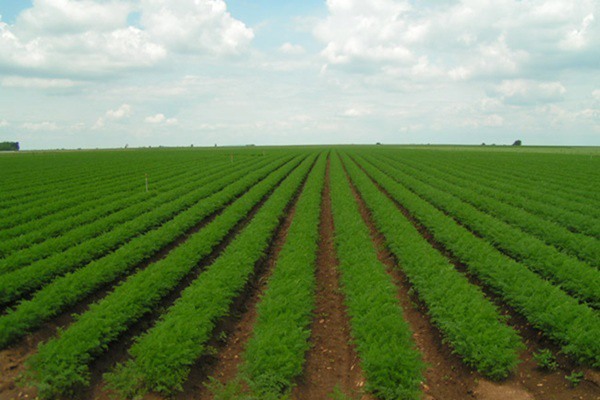 © Cénaldi Carrot field
Falling industrial demand
Industrial demand in terms of volumes, which has already fallen sharply in 2025, looks set to be historically low again in 2026. This drop can be explained by the erosion of vegetable consumption, "With different patterns depending on the product, canned vegetables being more affected than frozen vegetables," explains Bruno d'Hautefeuille. Despite this fall, Cénaldi points out that producers are willing to support their clients in this reduction, despite the increased impact on overheads.
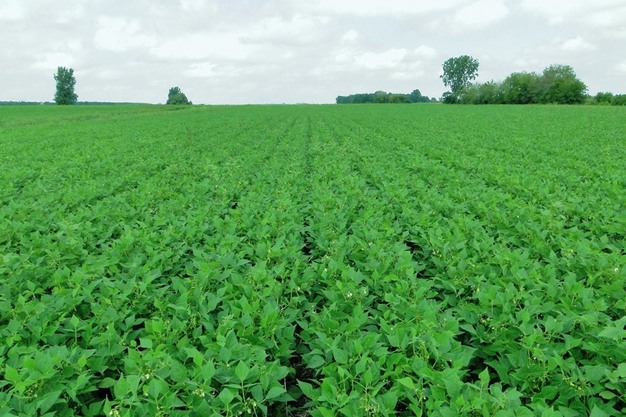 © Cénaldi Field of beans
Producers risk turning away due to price cuts
"The aim of this open letter is to make manufacturers aware of the difficulties faced by producers. They need to understand that they cannot pass on price cuts to our farming businesses without endangering them," explains the chairman, who nevertheless points out that the manufacturers themselves are under pressure from distributors. "Manufacturers, in turn, must make supermarkets aware of the risk of seeing an already fragile sector disappear. A further drop in the price of field-grown vegetables would send out the wrong signal, with growers likely to turn away from certain crops in favor of less risky ones."
For more information:
Cénaldi © Cénaldi
44, rue d'Alésia
TSA 61447, 75158 Paris Cédex 14.
Phone: +33 (0) 1 53 91 45 32
[email protected]
cenaldi.fr