In agriculture, where sustainability and reducing pesticide use for crop protection are increasingly important, the use of sex pheromones to confuse insects (mating disruption) has become a fundamental pillar of integrated pest management. "This technique involves releasing synthetic pheromones to prevent the mating of target insects," explains Francesco Savino, a pheromone expert at Biogard. "It therefore requires precision and proper management to maintain its effectiveness over time."
 © CBC Europe
The effectiveness of using pheromones hinges on the technological characteristics of the dispensers, proper management of the method, and a critical factor that is often underestimated and determines the success or failure of the entire crop season: The correct timing of implementation.
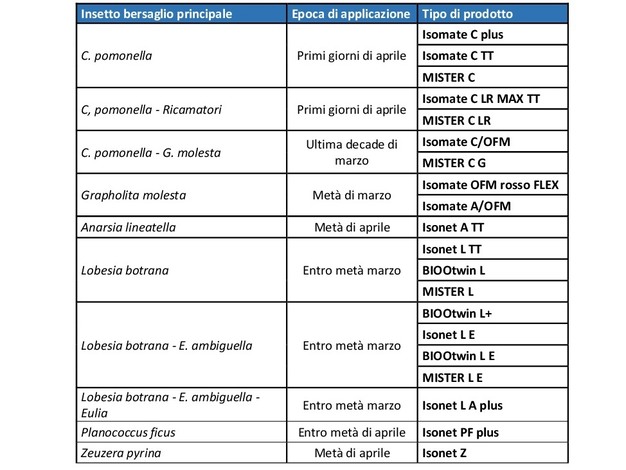
Click here to download the spreadsheet
 © CBC Europe
Why is it so vital to intervene early?
"Mating disruption does not act as a knock-down insecticide. 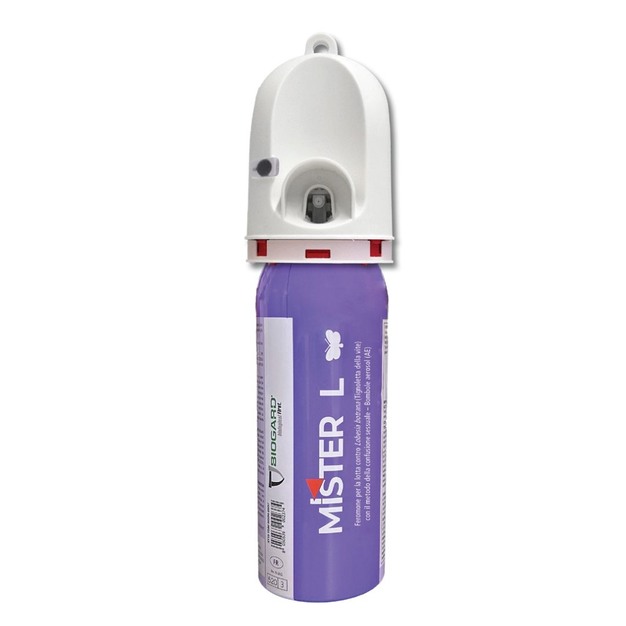 © CBC EuropeIts function is purely preventive and requires an adequate concentration of pheromone to be present in the environment before the first adult of the overwintering generation of the target insect appears," Savino continues.
"Timely prevention of mating is essential to avoid exponential population growth in subsequent generations, which would be difficult to manage, even with chemical rescue measures. The published spreadsheet provides a simplified schedule of Biogard spreader application times according to target species to simplify agronomic management and ensure the ideal timing."
 © CBC Europe
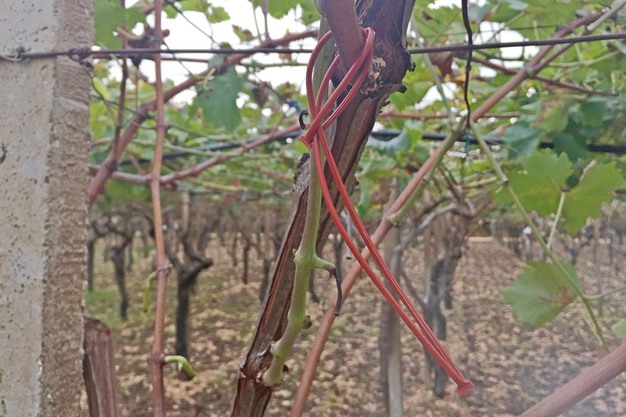
"The purpose of the spreadsheet is to provide a quick reference for positioning the diffusers in the field. For diffusers that are active against more than one species, installation must be completed before the earliest species' winter generation begins to fly," Savino concludes.
For more information: Biogard Division of CBC (Europe) Srl
Technical Area
Via Civinelli,1090
47522 Cesena (FC) - Italy
[email protected]
www.biogard.it