Heavy rainfall in the highlands of Arequipa, in Peru, has been taking a severe toll on the irrigation systems of several agricultural areas in the region, putting the production and stability of crops for regional agriculture, and even for the export market, at risk.
According to local producers and agricultural sector technicians, the water intakes of the rivers that feed the irrigation systems of La Campiña, La Joya, and the valleys of Vítor, Majes, Camaná, and Ocoña have been damaged by the rains. Consequently, deteriorated hydraulic infrastructure will urgently need to be replaced.
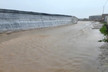
The excess water brought by the rains has taken a toll on collection infrastructure and conduction channels, causing temporary interruptions in the distribution of essential water resources for irrigation. In some areas, there are even reports of the collapse of some primary canals, which have left hectares of crops without irrigation for days.
The impact of the rains is not limited only to the water supply. In traditionally desert areas, such as La Joya and the coastal valleys, the atypically high humidity has created the right conditions for the appearance of phytosanitary issues in some sensitive crops. Growers have reported the presence of leaf fungus in onion crops, a consequence of the combination of high humidity and affected irrigation systems, which could translate into significantly lower crop yields this season.
The situation is particularly delicate in the La Joya area, where prickly pears are grown and where the cochineal insect, traditionally used for the production of the dye carmine, is bred. Heavy rains have washed the prickly pear stalks away, driving the insects to the ground and causing significant losses for thousands of small producers who depend on this crop adapted to desert conditions. This sector, renowned for its share of the country's exports, is now facing a scenario of uncertainty due to the loss of cochineal populations in its plantations.
The Ministry of Agrarian Development and Irrigation (MIDAGRI) has supervised the mitigation efforts aimed at addressing the consequences of this climate phenomenon, especially in the Majes Valley, with emergency interventions including cleaning of riverbeds, riverbank protection, and containment works. Over 10 million soles have been invested in the area with the aim of reducing climate risks on agricultural infrastructure.
Semiagro general manager Fernando Gómez stressed the need to continue inspecting and strengthening irrigation infrastructure to be better prepared against extreme events such as the current one and improve the sector's resilience to climate variations, which are likely to become more frequent and intense.
The current situation has brought to light the vulnerability of irrigation systems and agricultural production in traditionally arid areas to extraordinary rainfall events. The replacement of intakes, canals, and water control systems, as well as the implementation of integrated moisture and phytosanitary management, are priorities to guarantee productive stability in the short and medium term.