The problems with the flooding in Portugal have not ended just yet. Although the water levels are lowering at the moment, the situation could again change for the worse by the end of February, says Tania Luz e Silva of Rush Group and Rush Farms: "Although the water level dropped slightly this week, with the dams still full, and with dam discharges carried out in Spain, this will lead to controlled discharges in Portugal. This wouldn't be worrying, if it weren't for the rain forecast for the end of February and beginning of March, following a few days when temperatures will rise to 20°C. We'll have to wait and see if these temperatures will be 'pushed' northward by the Azores anticyclone. If they are not, floodwater levels will rise again."
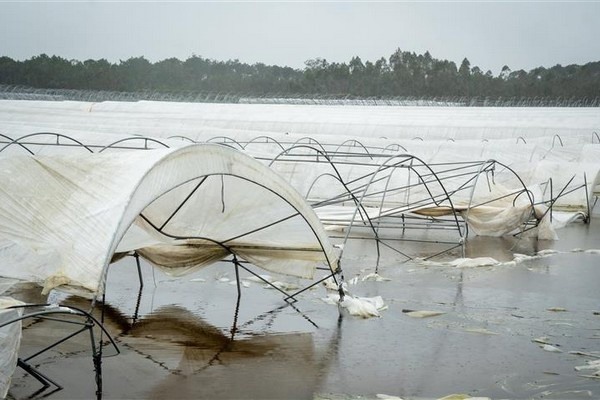
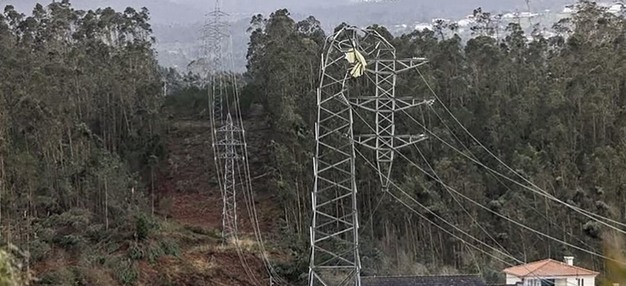
Portugal had been pestered by hard weather conditions before the floods, meaning there was already a lot of damage present, Silva explains. "Even before the floods, we had Storm Kristin, with winds reaching a maximum of 208 km/h. There was a lot of damage overall. There are destroyed greenhouses, and infrastructure in the field, such as pivots or electricity points, is still inoperative. This damage was worsened by the intense rains and floods. However, given the damage caused, the priority is to protect people and their property. Therefore, the first interventions were not directed at companies. With these various events, it's more difficult to have teams to solve problems or materials, due to the immense demand."
 © Rush Farms
Fortunately, the difficult conditions do not mean that Rush Farms can't supply any produce to any of its clients, as they have other origins to source the produce from, Silva emphasizes: "As for the fields, most being underwater makes harvesting impossible, and even when it is possible, it's first necessary to check the quality of the product, or whether it has not been swept away by the water current. Given that the Rush Group has several offices and production spread across various parts of the world, it helps us to fill some gaps when these types of situations occur. Or to focus on other items, such as changing the origin of the carrots to those we produce in Egypt. Or to present spring cabbage as an alternative to pointed cabbage, which our colleagues in Poland have been developing with farmers."
"We'll continue to work with sweet potatoes, pumpkins, and Rocha pears from Portugal. We have colleagues from Egypt growing sweet potatoes, potatoes, and carrots, and colleagues from Poland with alternatives to pointed cabbages. The fact that we combine cultivation and trading helps us navigate these more difficult times and look at other products or present similar alternatives."
Sourcing from other origins helps to ensure the exporter can supply its clients, but that strategy doesn't really help the farmers in Portugal, Silva acknowledges. "On the other hand, we are striving to find other alternatives for farmers, so that they can continue to operate in the market while trying to resolve problems with insurance companies and with the support that the Portuguese government and the European Union are providing. We want to maintain long-term partnerships with them, so we are involved in how we can navigate these difficult times."
 © Rush Farms
So what does the damage in Portugal look like? Silva states it's hard to know exactly what the impact will be: "At first glance, the damage is extremely heartbreaking. It is premature to say for sure what will happen, even if water levels drop abruptly, product availability is reduced, and it's necessary to be serious about the quality delivered to the customer. But there is no doubt that the first half of the year will be challenging."
"The European Commissioner for Agriculture has been in Portugal, given that outside of Portugal, there was no awareness of the extent and severity of the damage and the situation. Fortunately, our Minister of Agriculture has been really involved with the sector he leads. Support has been made available from both the government and the EU; however, it has maximum limits that in many cases are a drop in the ocean to pay for both the repairs to the infrastructure and what was lost in the fields or primary factors that were carried away by the water. On the other hand, most farmers who have insurance only have it covered for the harvest, not for this type of situation. The aid is good, but it will not be enough for everyone, nor for everything."
And as such, Rush Farms will have to plan for the best possible outcome, even in terms of growing produce in Portugal as soon as possible again: "We hope that the Azores anticyclone will work in our favor and help us to have conditions for lower water levels. Planting new brassicas now, in this case pointed cabbage, they will only be ready for harvest near the end of the supply campaign from Portugal and Spain to the rest of Europe. Now, the focus will be on reconstruction, making the most of the products that still have good quality, and starting to work the fields for summer crops," Silva concludes.
For more information:
Tania Silva
Rush Farms
Email: [email protected]
www.rushgroup.co.uk