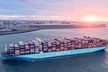
Operational conditions across several African trade lanes are showing mixed developments, with reliability improving in parts of East Africa, recovery measures underway in Southern and West Africa, and selected Red Sea services gradually resuming under defined safety frameworks. At the same time, seasonal changes in reefer and air cargo capacity are expected to affect planning in the coming months.
 © Maersk
Red Sea and Suez routing developments
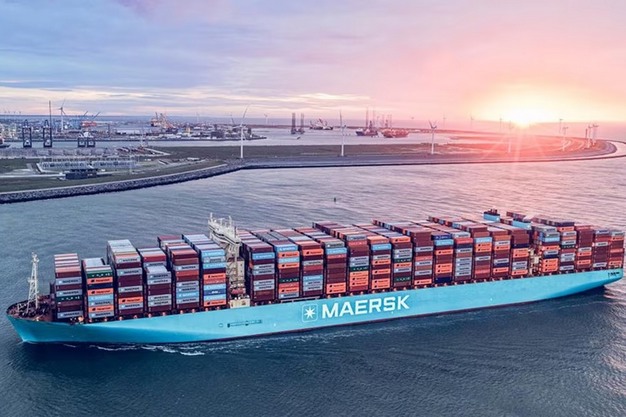
Recent updates from Maersk regarding its MECL service and the Gemini cooperation's ME11 service indicate a phased return to trans-Suez routing. In January 2026, Maersk confirmed that the MECL service would structurally return to its original Suez Canal routing following what the company described as continued stabilisation of regional conditions, while retaining contingency plans should the security situation change.
In February 2026, Maersk and Hapag-Lloyd announced that the ME11 service would become the first Gemini cooperation service to transit the Red Sea and Suez Canal. The reintroduction is being implemented on a service-by-service basis rather than across the full network. According to Maersk, this approach aims to balance transit efficiency with safety considerations, crew welfare, and cargo integrity.
The selective return of trans-Suez routing is expected to support more stable vessel rotations, improved schedule reliability, and better capacity and equipment positioning across East–West trade lanes.
India grape export outlook
India's grape export season is expected to begin in February, with peak volumes anticipated in February and March. Unseasonal rainfall, higher input costs, and stricter quality standards are expected to result in lower export volumes compared with the previous season. As a result, planning and coordination around reefer capacity during the peak window are likely to be more important.
 © Maersk
Port updates across Africa
In East Africa, fixed berthing windows at Mombasa and Dar es Salaam have reduced average vessel waiting times to around one day, with most vessels berthing on arrival. This has supported improved weekly schedule reliability.
In Southern Africa, weather disruptions continue to affect Port Louis, Beira, and Cape Town, leading to extended waiting times and selective service disruptions. Maersk reported ongoing engagement with terminal operators, additional handling equipment deployment, and recovery planning to stabilise vessel flows.
In West Africa, congestion at Freetown is affecting vessel turnaround and cargo evacuation. To address this, Maersk has introduced a shuttle service between Tema and Freetown to clear backlog cargo on a first-in, first-out basis.
 © Maersk
Air cargo capacity
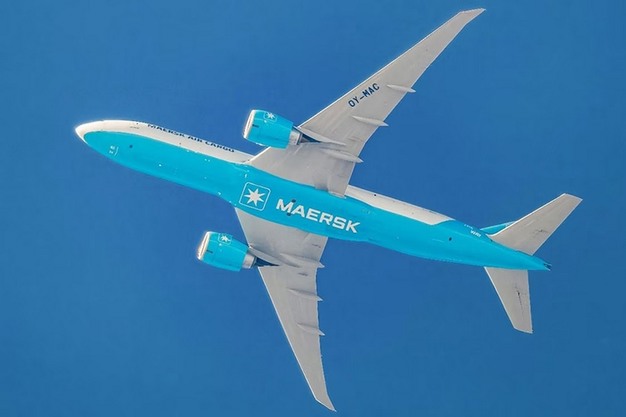
As Southern Africa enters its winter schedule from March to October, the redeployment of passenger aircraft is expected to reduce available belly-hold air cargo capacity. Planning ahead and considering alternative routing options may be required to maintain continuity during this period.
 For more information:
Mikkel Linnet
Maersk
Tel: +45 2482 1196
Email: [email protected]
www.maersk.com