Morocco has become the fastest-growing supplier of tomatoes to the German market over the past 20 years, according to UN data. Moroccan tomato exports to Germany increased from 12,710 tons in 2005 to 74,890 tons in 2024, representing a growth of 489 per cent.
As a result of this expansion, Morocco's share of German tomato imports rose to nearly 10 per cent in 2024, compared with less than 2 per cent two decades earlier.
In value terms, Moroccan tomato exports to Germany increased from €14.56 million in 2005 to €157.99 million in 2024. Converted to U.S. currency, this corresponds to an increase from about US$16 million to around US$172 million, based on average exchange rates. The change reflects both higher shipment volumes and a higher average unit value. In 2024, the average price of Moroccan tomatoes supplied to Germany reached €2.11 per kilogram, or approximately US$2.30 per kilogram.
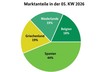
Despite this growth, Morocco remains behind the leading suppliers to the German market. The Netherlands continued to be the largest source of tomatoes for Germany, supplying 360,200 tons in 2024. This represented 47.93 per cent of total German tomato imports.
Spain ranked as the second-largest supplier, with shipments of 216,180 tons in 2024, accounting for 28.77 per cent of the market.
The data indicate that while northern European producers continue to dominate German tomato imports by volume, Morocco has increased its presence over time through sustained growth in exports and higher average pricing.
Source: The North Africa Post