From 4 to 6 February, Fruit Logistica 2026 took place in an ice-cold Berlin. Although it remains the largest trade fair for the fruit and vegetable sector, this year came with challenges. With temperatures fluctuating between -3 and -9 degrees Celsius, access to Messe Berlin was difficult for many visitors. As a result, exhibitors noted lower attendance compared with other years. In addition, Berlin airport was closed for two days due to winter weather, forcing trade fair visitors to seek alternatives or wait until Saturday, Sunday, or, in some cases, even Monday to return home. Despite these difficulties, we were once again present at the event to report and take photos.
Click here for the International Photo report
 © Jannick Flach | FreshPlaza.com
Fresh2You
Portuguese floods, Turkish frost, and Polish opportunities
The Portuguese stand in Hall 5.2 mostly saw some increased visitor traffic only after midday each day. Although exhibitors were physically present, their thoughts were mostly still at home, where floods plagued the country and caused concerns. Many products will be affected as some fields, such as those for cabbage, were completely submerged. The true extent of the damage is still unknown, as the water had not completely receded during the fair.
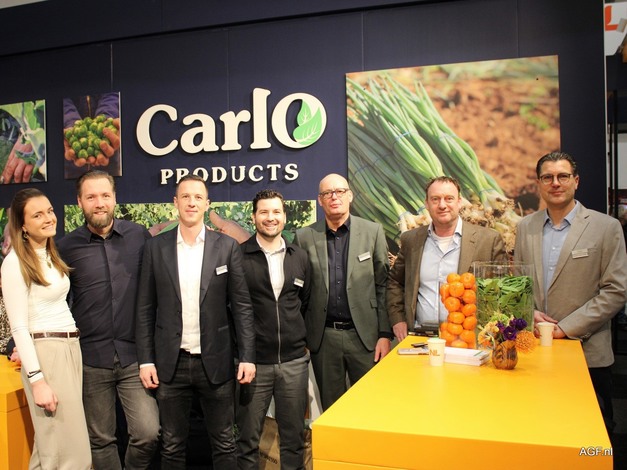
For Turkish exhibitors, the feeling about their position in hall 27 was a lot more positive than last year. According to them, visitors knew how to find Hall 27 much more easily this year. They indicated that 2025 was a very bad year and were especially looking forward to the new seasons, such as for stone fruits. The frost in 2025 had destroyed most chances of good seasons, but there is much hope for the 2026 season. Some companies have invested extra in anti-freeze measures, hoping to come out better this year.
 © Jannick Flach | FreshPlaza.com
The Polish exhibitors all seemed to be enjoying themselves. The large Polish pavilion included regular exporters, who indicated that the apple season has been quite positive so far. Although there is a lot of supply in Europe in terms of volumes, there is still a lot to be earned once cold stores are fully opened. There were also many Polish packaging companies presenting their best packaging solutions for fresh produce. Some exhibitors indicated that they felt overall visitor traffic was lower than last year, but they attributed this to a general decline in visitors, and not to their location in the halls.
Limited participation from the Balkans
Fruit Logistica 2026 ended with relatively few participants from the Balkans. In particular, the presence of Greek companies, traditionally the largest group from this region, was limited compared to previous years. In general, Greek fruit traders seem to increasingly prefer Fruit Attraction, due to the strategic timing of the Spanish fair just before the start of the kiwi harvest. Nevertheless, kiwi played a prominent role in the baskets, promotional material, and commercial talks of the Greek companies, some of which participated in the German fair for the first time. Greek kiwi traders exchanged information on the course of the season and international stocks, mainly seeking markets outside the European Union. Other Greek products with a strong presence were citrus, stone fruit, strawberries, and greenhouse vegetables. Notable attention was also paid to making Greek blueberries and raspberries better known, although their cultivation in Greece is still limited. The presence of companies focusing on organic produce, packaging, and fruit processing technology was very limited among Greek exhibitors.
Ten companies from northern Macedonia participated as exhibitors within a collective booth, nine of which were purely export-oriented, and the tenth was a technical company. Most producers are active in a wide range of fruit and vegetables, while only three focus on a small number of specific products, such as grapes, plums, and tomatoes. Companies from northern Macedonia export their products mainly to Eastern Europe, but those with larger volumes are looking to expand into other markets. From Cyprus, six companies participated, with potatoes being the most common product, as the island's most dynamic export vegetable. From Bulgaria, there was one plastics company and two collective stands with producers and export companies, together accounting for nine companies. These included five greenhouse vegetable companies and four fruit companies, which also export their products mainly to Eastern Europe.
 © Jannick Flach | FreshPlaza.com
New venue for Chinese exhibitors
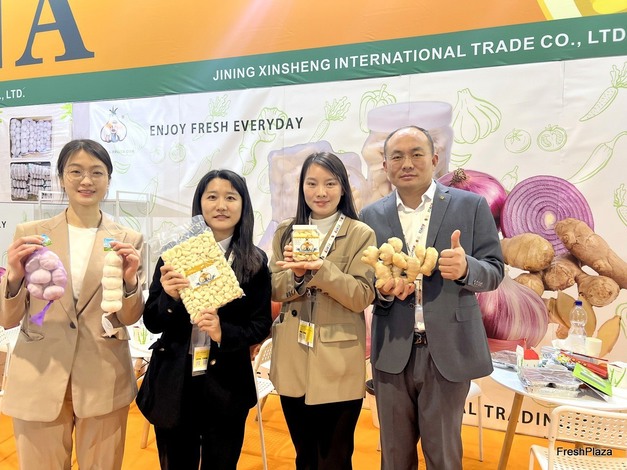
At this year's fair, Chinese companies were moved from Hall 26 to Hall 7.2. Although the new location is better than before, it is still far from the main visitor areas, so visitors have to travel a considerable distance to reach the Chinese pavilion. Many longstanding exhibitors did not participate this year, while some new companies attended for the first time. To reduce costs and logistical risks, many exhibitors displayed plastic models of fruit instead of real products.
Uncertainty in logistics continues to strongly affect the market. The ongoing crisis in the Red Sea has caused major disruptions in shipping schedules. Transportation time from China to Europe has increased from about 25 days to 70-90 days, and arrival times and ports are difficult to predict. This leads to goods arriving simultaneously, causing temporary surpluses and price pressure. Fresh products with a short shelf life are most affected, with higher loss rates. To mitigate risks, more and more companies are opting for routes around South Africa. Although these routes take more than 20 days longer, they are considered more stable than routes via the Red Sea.
 © Jannick Flach | FreshPlaza.com
The majority of exhibitors export ginger and garlic. Competition in agricultural exports is increasing, so exporters are trying to develop new markets. West African countries such as Senegal and Angola have become important target markets, but increasing supply is leading to market saturation and falling prices. Many exporters reported that demand is stable, but fierce competition and price cuts are reducing profits.
Falling profit margins in fresh garlic are increasing interest in processed garlic products, such as garlic cloves. Meanwhile, ginger production in Yunnan is expanding, with increasing demand from Europe due to its strong flavour and organic qualities.
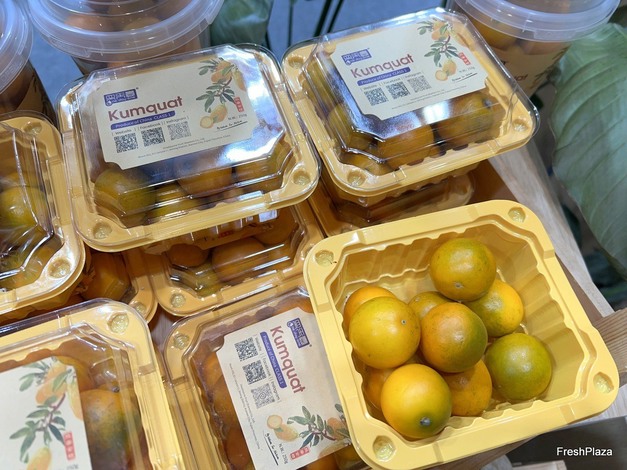
As for new product categories, exporters are actively developing differentiated products. Rong'an kumquat is an important new product promoted by several exhibitors. Kumquat has been very popular in the domestic market over the past two years, with a clear trend towards packaging as gift boxes for festivals. Exporters hope to expand further into the European market through the Berlin fair.
Supporting technologies are developing rapidly. 4G temperature and humidity loggers are replacing older models, and as market competition tightens and profit margins fall, some companies are expanding into new devices, such as fruit sugar meters, to find new growth opportunities.
 © Jannick Flach | FreshPlaza.com
North American exhibitors at Fruit Logistica: Small but stable numbers
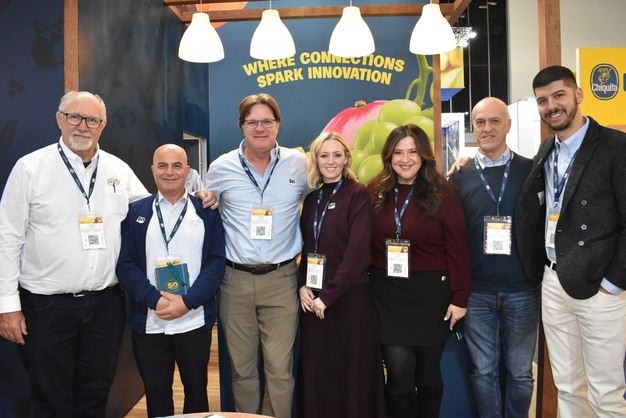
The number of exhibitors from the US and Canada was relatively small but stable. Although most exhibitors were spread across halls 23 and 25, a total of 12 halls had to be visited to see all North American companies. Fresh produce trade between North America and Europe has declined significantly over the years, but most exhibitors attend the Berlin trade fair because they can efficiently meet their suppliers and customers from all over the world in a few days. There are simply not many trade fairs that bring together such a large global representation.
The product category most represented from the US was sweet potatoes. These are still exported to Europe because of their consistently high quality. One sweet potato exporter indicated that they now source from Egypt as well, so they can serve their European customers all year round. A few exhibitors represented the citrus category and reported that the season in California has not been easy. Heavy rains have limited the ability to transport fruit long distances. As a result, the export market remains limited, and most of California's citrus will remain in the domestic market this season. At the global level, Morocco, Egypt, and China are emerging citrus suppliers.
Other products still coming to Europe are green asparagus, and after several years of absence, an exporter of Canadian cherries was also present. Blueberries are clearly a product with global representation: North American exhibitors source them from everywhere and export them to almost all regions worldwide.
However, the majority of North American exhibitors are suppliers of equipment, technology, and packaging for the fresh produce sector. Think companies active in breeding, temperature monitoring, coldchain management, as well as manufacturers of labelling and packaging machines, ethylene generators, fruit quality meters, and packaging materials for fruits and vegetables.
In addition to exhibitors, several North American companies also sent representatives to the show to discover new trends and products. What is trending in Europe now will find its way to North America in the coming years.
 © Jannick Flach | FreshPlaza.com
Strong presence of MENA and African exhibitors
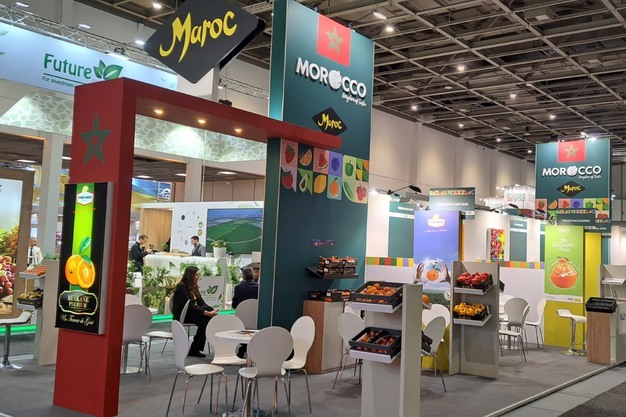
Halls 22 and 25, dedicated to the MENA region, saw participation from the main producers of fresh produce, namely Egypt and Morocco. The star products were citrus and Medjool dates, which dominated the Egyptian and Moroccan stands, followed by a rich variety of early vegetables and various fruits. Interestingly, many exhibitors offering Medjool dates came from different countries in the region, a new trend observed at other fairs last year, indicating a growing enthusiasm for these dates in the market. The Saudi pavilion, dedicated entirely to dates, is now a fixture at the fair. Jordanian exhibitors were present in greater numbers than in previous editions, with a focus on Medjool dates. The 2026 edition also saw the participation of a significant Palestinian delegation, while the number of exhibitors from Tunisia, Lebanon, and the United Arab Emirates was lower.
The fair's flagship products are finding a strong market this season, as is the case for Egyptian Valencia oranges and Moroccan soft citrus. Exhibitors of Medjool dates signed contracts for the next season as they sold out or were close to selling out their entire stock early in the season, reflecting the strong demand for this fruit.
 © Jannick Flach | FreshPlaza.com
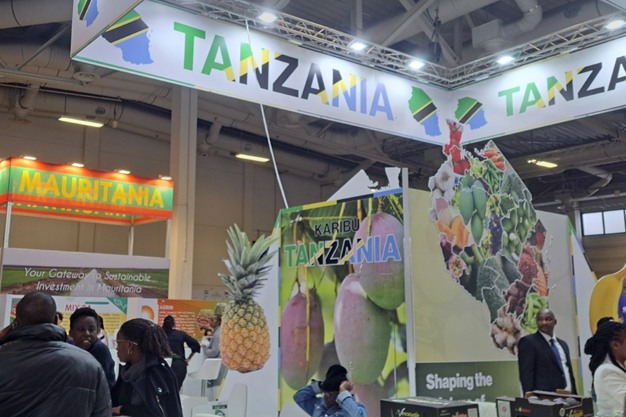
Hall 26, dedicated to Africa, was characterised by spacious layout and the presence of many large national pavilions: Kenya, Rwanda, Tanzania, Ethiopia, South Africa, Zimbabwe, Ghana, Mauritania, Nigeria, etc. The Ethiopian and Rwandan pavilions stood out for their impressive growth compared to last year's edition. In contrast, the absence of certain countries that did participate last year, such as Mali, was conspicuous. The main products on the East African stands were avocados, followed by chilli, beans, peas, and spices. Mangoes and watermelons were in the spotlight on the West African stands, along with sweet potatoes and yams.
Exhibitors were generally satisfied with visitor numbers and the location of their halls, despite Berlin's weather conditions, which delayed the start of the second day of the fair and left the halls almost empty in the early morning. The majority of exhibitors surveyed reported a very active market and a strong season for their products, which was reflected in their participation in the fair. One exhibitor summed up the general mood: "Fruit Logistica 2026 confirmed what we already knew: the market is ready for a disciplined, scalable African supply."
 © Jannick Flach | FreshPlaza.com
Netherlands prominent, but challenges dominate market
The Dutch delegation was large again this year. Hall 3.2 consisted entirely of Dutch companies. Dutch fruit and vegetable cooperatives are looking ahead to the domestic season. Severe weather problems in Spain and Morocco have reduced supply and affected the quality of Spanish fruiting vegetables, creating opportunities for Dutch production. Outdoor vegetable traders are facing low prices across most categories, with the potato market showing the least sign of recovery.
 © Jannick Flach | FreshPlaza.com
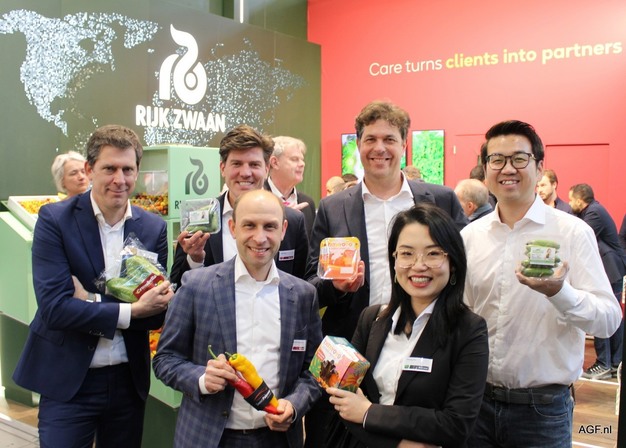
Team Rijk Zwaan
Demand in the pear market is beginning to pick up. Delays remain common, with ships even sent back to sea last month due to insufficient port capacity. Geopolitical developments are also affecting trade flows. At the same time, packaging companies and customers are preparing for new European legislation on packaging, known as the Packaging and Packaging Waste Regulation (PPWR).
Cautious optimism among Belgian exhibitors, but also concerns
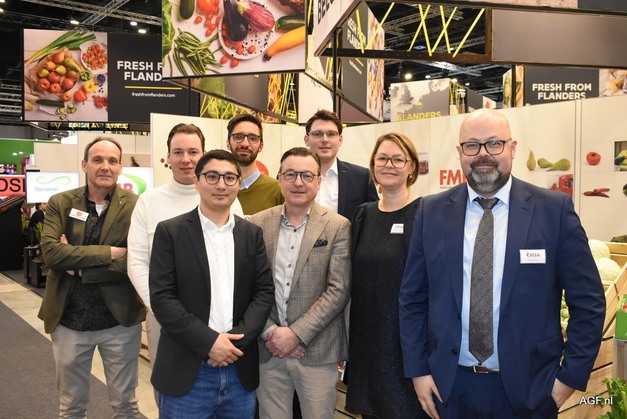
As usual, many Belgian exhibitors were located in Hall 27, where the VLAM pavilion was based. Several companies were also spread across other halls, including a number of first-time exhibitors. Overall sentiment around the current pear season was cautiously positive. Despite quality differences creating challenges, exhibitors were looking ahead to a stronger second half of the season. "The weaker lots have largely disappeared from the market, so if everyone acts responsibly, prices can gradually improve," one exhibitor said.
 © Jannick Flach | FreshPlaza.com
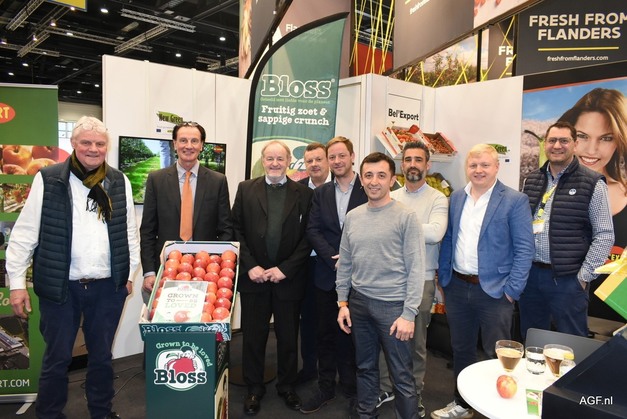
The outlook for apples was less positive. Large volumes continue to weigh on the market, and although Belgian apples are mainly sold domestically, exporters are seeking additional outlets. Potatoes remain under pressure due to oversupply and low prices, with upcoming contract negotiations seen as potentially decisive. Field vegetables face similar conditions, although greenhouse vegetable traders expressed more optimism due to supply issues in Spain and Morocco supporting Belgian winter production. Overall, satisfaction with the fair was tempered by frustration over weather-related disruptions and lower visitor numbers.
 © Jannick Flach | FreshPlaza.com
Difficult market weighs on mood among German exhibitors, but importance of Fruit Logistica remains high
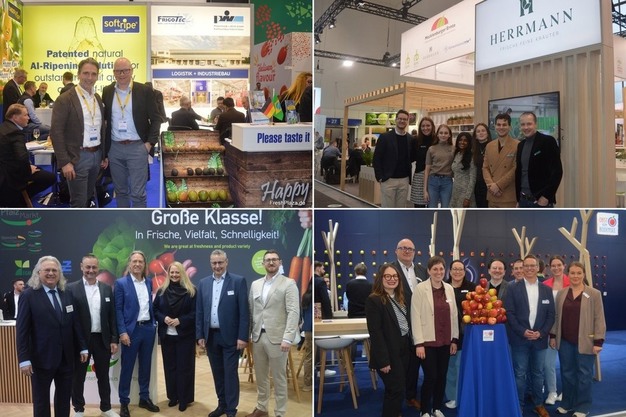
For exhibitors from German-speaking countries, Fruit Logistica continues to be the main annual meeting point. Halls 20 and 21 were again busy. Nevertheless, surpluses, rising costs, and current agricultural policies have affected sentiment in the sector. Exhibitors emphasised that, particularly in a challenging year, Fruit Logistica remains an important platform for discussion and networking.
 © Jannick Flach | FreshPlaza.com
Several newcomers from the DACH region were present, indicating that the fair retains its reputation among emerging companies. Larger export-oriented players increasingly combine Berlin with participation in Madrid.
For Austria and Switzerland, Germany remains the main trading partner for fruit and vegetables, with much trade flowing through German channels. Swiss exhibitors again organised a networking apéro at the end of the second day, attracting strong attendance from growers, traders, and retail buyers.
 © Jannick Flach | FreshPlaza.com
Mixed responses to the French pavilion
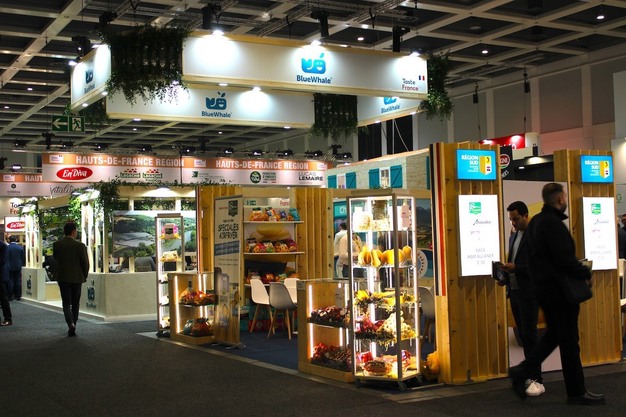
Fewer French companies participated compared with last year. Some exhibitors reported good visitor numbers, while others found attendance disappointing, particularly from retail buyers.
Key discussion points included rising production costs, competitive pressures, reduced crop protection options, import bans, and subdued market conditions. Innovations on display included new varieties, new brands, product concepts such as soup kits to encourage consumption, and new partnerships.
 © Jannick Flach | FreshPlaza.com
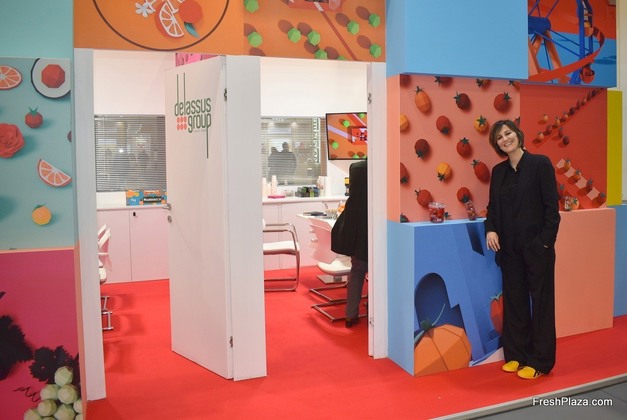
Italian delegation resilient and innovative
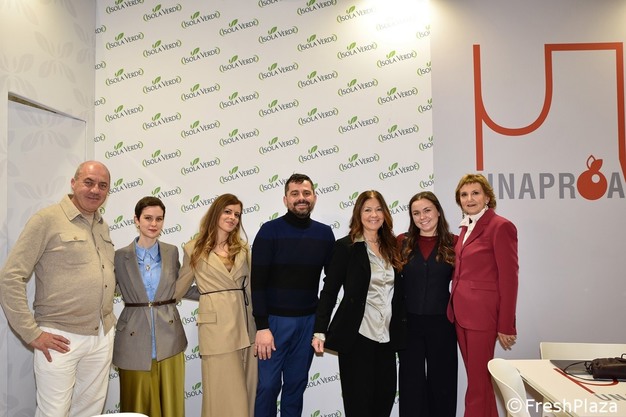
Feedback on the Italian delegation at Fruit Logistica highlights a resilient and innovative presence, with more than 360 stands covering the entire value chain, despite the increasingly diverse international exhibition landscape.
There was a strong focus on advanced technology and sustainability: in addition to machines deploying artificial intelligence to optimise the processing process, pioneering tools to make plants 'listen' for optimising agronomic decisions were presented, as well as a fully biodegradable, plant-based solution for maintaining freshness.
Notable was the introduction of a newly designed crystal label that effectively replaces the functions of a classic chip, marking a major step forward in smart labelling. The event was further enriched by creative marketing initiatives and a busy conference programme aimed at engaging international partners.
 © Jannick Flach | FreshPlaza.com
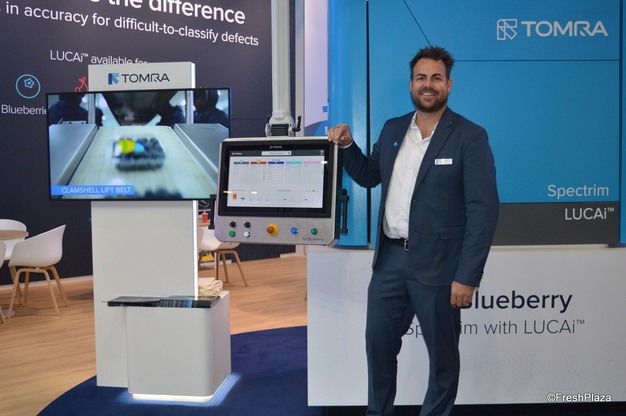
Troy Cleaver of TOMRA with the new blueberry sorting technology
Bad weather in Spain, strong presence of Latin American countries at Fruit Logistica
The bad weather in Spain was a major topic of discussion in the Spanish pavilions. The cold and abundant rain have severely affected the current season, significantly limiting the availability of berries, greenhouse vegetables (especially cucumbers and peppers), the full range of outdoor vegetables, as well as avocados and citrus, due to harvesting problems. Despite these challenges, demand in key European markets remains stable, requiring companies in the sector to show experience, planning, and responsiveness. The EU-Mercosur agreement was also a hot topic. Spanish producers and exporters want to demonstrate to European distributors that a focus on third countries comes at the expense of the quality, continuity, and food safety of their production. There are also concerns about the growth of African countries such as Egypt, Morocco, and Turkey, which are gaining ground at this fair and thus in the European fruit and vegetable market.
In general, many pre-scheduled appointments took place, but a decrease in the number of visitors at the Spanish stands was noted. Growth at the Madrid fair was again attributed to strategically more favourable dates for many crops. The bad weather in Berlin, with snow, made access to the fairgrounds difficult for many visitors. Some exhibitors indicated that, despite Germany being an important market, customers increasingly want to visit them at the source, which also had a negative effect on attendance in Berlin. Others stressed that the two fairs are complementary: Madrid is increasingly chosen to showcase new products, while Fruit Logistica is used to discuss campaign progress, showcase production improvements, and highlight innovations, food safety, and sustainability.
Latin America shines despite winter weather and busy schedules
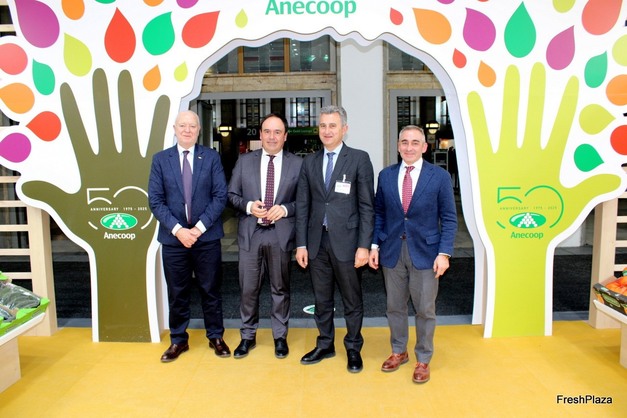
At Fruit Logistica, pavilions 23 and 25 concentrated the energy of the Latin American block. Despite the winter weather in Berlin, the participation of Colombia, Peru, Mexico, Argentina, Uruguay, Guatemala, Chile, Brazil, Ecuador, Costa Rica, and the Dominican Republic was active and dynamic. The stands saw a busy schedule of pre-planned appointments, constant visits from European importers, and meetings with distribution chains. Interest focused mainly on fresh fruit, organic products, and differentiated offers, positioning the region as an important strategic partner for the European market.
 © Jannick Flach | FreshPlaza.com
Colombia
The Colombian delegation stood out for its active participation, with 22 companies and pre-scheduled appointments. There was strong interest in sustainability and organic products, especially organic lemons. The fair provided opportunities to strengthen contacts with German and European retailers and importers. There was good attendance and productive meetings, with a focus on quality, traceability, and the social story of origin.
Peru
Strong presence, with exporters consolidating relationships and highlighting sustainability and regulations. Good turnout of European buyers. Interest in grapes, blueberries, and citrus. The fair strengthened positioning and prepared for the next season, in a context of higher regulation and focus on added value.
Mexico
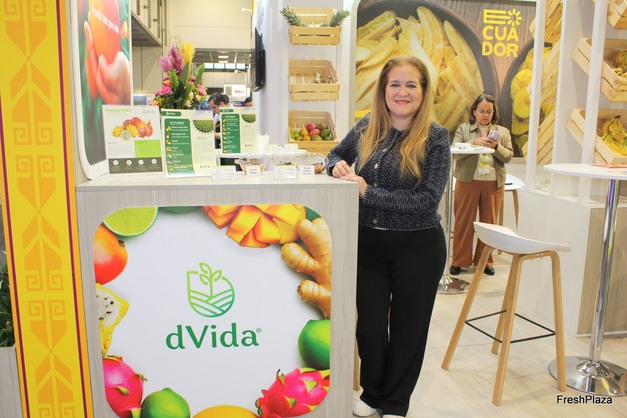
Participation focused on strengthening trade links and exploring opportunities in higher-value niches. Productive agenda and effective meetings. Interest in berries and organic lemons. The market was perceived as more demanding in terms of sustainability and certifications. The fair was seen as an important platform for diversification in Europe.
 © Jannick Flach | FreshPlaza.com
Argentina
Focus on blueberries and market diversification. Positive atmosphere and meetings with both traditional customers and new buyers. Growth in consumption in Europe was highlighted. Interest in quality, logistics, and new varieties. The fair strengthened its presence in Europe and Israel and offered opportunities with the growing demand for healthy products.
Uruguay
Optimistic delegation regarding the Mercosur-EU agreement. Renewed interest in citrus, especially easy-to-peel varieties. Good meetings with European buyers. Expectation of future tariff reductions. Participation focused on competitiveness, food safety, and expansion in Europe. Positive atmosphere and strategic discussions.
Guatemala
Guatemala returned after several years' absence, with a focus on fresh bananas. Active schedule of appointments and good turnout of European buyers, especially from Germany, Spain, and the UK. Positive atmosphere, focused on consolidating trade relations, complying with stricter regulations, and strengthening image as a reliable supplier in Europe.
 © Jannick Flach | FreshPlaza.com
Chile
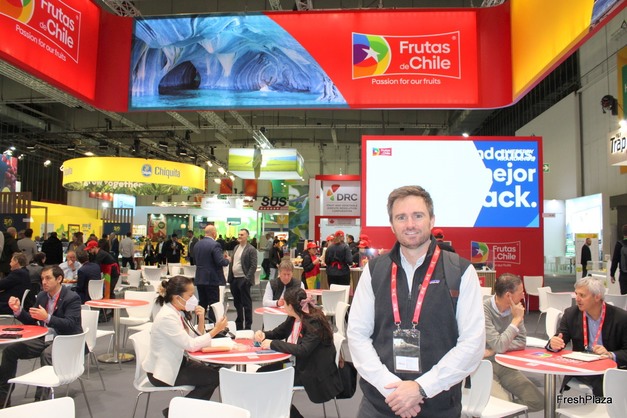
Institutional participation focused on connections with importers and sector promotion. Germany is seen as a mature market, focusing on nuts, grapes, and blueberries. Increasing interest in organic products, especially organic lemons. Good networking opportunities and emphasis on long-term relationships. Trade fair remains an important promotional tool.
Brazil
Strong representation through exporters' associations and companies. Europe remains the main destination. Interest in mangoes, melons, watermelons, and grapes. Logistical and tariff challenges, but the fair provided opportunities to strengthen the European market and explore new markets such as China.
Ecuador
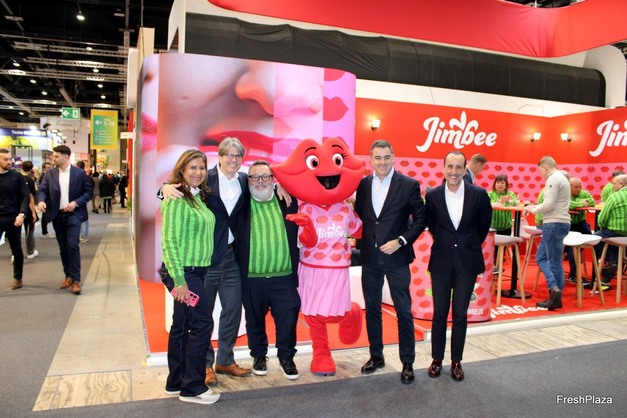
Active pavilion with strong institutional promotion. Focus on bananas, pitahaya, and exotic fruits. Pre-fair training sessions and culinary events to attract buyers. Good visitor flow and contacts. Germany remains a strategic market for Ecuadorian bananas.
 © Jannick Flach | FreshPlaza.com
Costa Rica
Companies highlighted export growth, especially in pineapple. Agreements focused on Eastern Europe and diversification. Logistics challenges and new insurance tools were discussed. Focus on strengthening existing relationships and expanding into new markets. The fair was seen as an important venue for business knowledge.
Dominican Republic
Participation focused on diversification and new products. Good flow of European buyers. Interest in avocados, mangoes, and bananas. Curiosity about new crops, such as table grapes. The fair was positive for positioning and exploring new markets.
UK importers concerned about weather conditions in Spain
UK importers are concerned about the weather conditions in Spain, causing serious disruptions. Strawberries for Valentine's Day, in particular, are a major concern as growing conditions are not ideal. However, one importer indicated that all orders are now covered.
There were a few new faces from the UK this year, but the overall number of UK companies at the show decreased. One new company promoted remote ripening rooms, for example, while another long-standing exhibitor presented a new coating to make fresh, sliced potatoes last longer. For this, they managed to develop a low-priced solution.