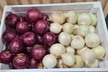
Egypt has opened the Vietnamese market to exports of fresh onions and garlic, according to an announcement by the Ministry of Agriculture and Land Reclamation.
In a statement issued on Tuesday, 3 February 2026, the ministry confirmed that Minister Alaa Farouq approved the market opening ahead of the new export season, as part of broader efforts to expand Egyptian agricultural exports into Asian destinations.
The decision follows the receipt of a joint report from Ahmed Ossam, Head of the Agricultural Services and Follow-up Sector, and Mohamed El-Mansi, Head of the Central Administration of Agricultural Quarantine. The report outlined technical and regulatory work carried out over more than two years in cooperation with the Egyptian embassy in Hanoi, which resulted in Vietnam's acceptance of Egypt's phytosanitary system for onions and garlic.
According to the ministry, the Egyptian Agricultural Quarantine coordinated technical exchanges with Vietnamese authorities to address plant health requirements and inspection protocols. The Vietnamese side ultimately approved Egypt's measures, allowing exports of fresh onions and garlic to proceed under agreed conditions.
El-Mansi said that Technical Circular No. (4) of 2026 has been issued and distributed to quarantine inspectors and exporters. The circular sets out the procedures and compliance requirements that must be followed to meet Vietnamese import standards.
He added that the opening of the Vietnamese market is expected to support additional export flows for onions and garlic, provided shipments comply with phytosanitary and documentation requirements.
Official data from the Agricultural Quarantine indicate that international demand for Egyptian onions and garlic has increased in recent years. By the end of 2025, Egypt exported about 288,000 tons of fresh onions and 45,000 tons of fresh garlic to multiple markets worldwide.
The ministry stated that continued coordination between exporters, quarantine authorities, and diplomatic missions remains necessary to maintain access and ensure compliance with importing country regulations as shipments begin under the new approval framework.
Source: SIS