Two weeks on, and the flood waters that engulfed orchards have subsided: in some areas, "massive issues" with oleo on lemons are expected, while waterlogged fields and damaged roads disrupted citrus black spot spray programmes, which, an exporter has warned, could increase disease pressure on early fruit.
South African retailers confirm that since December, they've been experiencing constrained lemon supply. "The rains have affected so much, including lemons, mangoes, potatoes, peppers, onions, tomatoes, and melons," a retail buyer says.
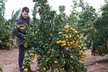
South Africa's citrus is grown across the country, and while some areas have been heavily impacted, in others, crews are busy packing lemons while the grapefruit is sizing up nicely with the abundant rainfall.
"The single biggest advantage for customers doing business with South Africa is that South African production is spread out over an area perhaps bigger than Europe," says Peter Nicholson of Alicedale Estate in Tshipise, Limpopo Province. In their district, the rain was a boon, not a disaster.
"On my farm, the impact was minimal. The crops are good, the quality is good," he says. "We started a little bit later, but now we're busy packing. At the moment, the world is crying for lemons, so we're in a very fortunate position."
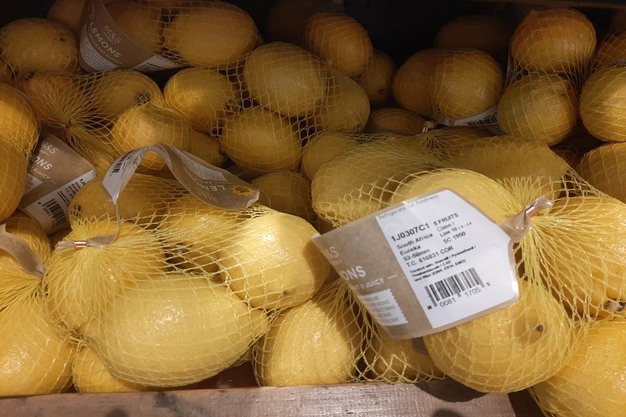 © Carolize Jansen | FreshPlaza.com
Last year, an empty lemon market carried through the season. "I think we will have a stable marketplace where supply and demand will be in good balance. It would be misleading to say that it is a total disaster for lemons," he says, adding that the developing drought in the Western Cape might potentially be of graver concern to the season's outlook than the rain in the north.