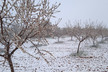
A cold snap across Florida in early 2026 is affecting citrus groves and vegetable production, raising questions about crop availability and market supply. Frost conditions have been reported from Central Florida to the southern growing regions, with impacts varying by crop type and location.
The effect on citrus differs by variety. Florida's citrus sector entered the season with low production expectations, estimated at around 12 million boxes for the 2025 to 2026 season. The cold weather poses additional risk to Valencia oranges and grapefruit, which are more sensitive to low temperatures than mandarins. Further damage to these varieties could limit late-season citrus volumes.
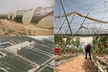
Winter vegetable production has been more directly affected. Growers have reported frost damage in crops such as snap beans, sweet corn, squash, and bell peppers. In southern counties, cold exposure has caused leaf burn and flower drop, which can result in reduced yields or complete field losses depending on crop stage and duration of exposure.
Strawberries have shown a different response. In West Central Florida, growers have applied frost protection by irrigating crops during freezing conditions. Cooler temperatures have supported fruit development, and strawberry production has so far remained stable compared with other crops.
Government support measures are available following recent weather events. Florida's 2026 to 2027 state budget includes agricultural support mechanisms such as the Citrus Recovery Block Grant and Rural Infrastructure Funds, aimed at assisting growers affected by climate-related impacts. At the federal level, Florida producers can apply through the USDA-administered Supplemental Disaster Relief Program, which covers crop, tree, and vine losses, with applications open through April 30, 2026. In addition, small agricultural cooperatives and nurseries may access disaster loans through the U.S. Small Business Administration, with interest rates starting at 4 per cent to support operational costs.
Market effects are expected to follow weather-related production losses. Supplies of Florida-grown green beans, tomatoes, and peppers are forecast to remain tight in the coming weeks. Reduced volumes through February may influence pricing and sourcing strategies. Retailers are expected to increase imports, particularly from Mexico, to maintain availability.
Quality impacts may also be observed, including external fruit damage and smaller sizing in some citrus categories. Shelf life for certain leafy greens and tender vegetables harvested during the cold period may be shorter than usual.
The situation continues to develop as growers assess full field losses and recovery potential across Florida's main fruit and vegetable regions.
Source: NewsTalk Florida