Early reports indicate that most growers in New Zealand came through the recent heavy rain and flooding with limited impacts, according to Horticulture New Zealand chief executive Kate Scott. While the weather created operational challenges, there have been no widespread crop losses or major damage to orchard infrastructure reported so far.
The rainfall affected several regions, including Northland, Bay of Plenty, the east coast, and Gisborne. Scott said the absence of confirmed large-scale damage was notable given the intensity of the weather events.
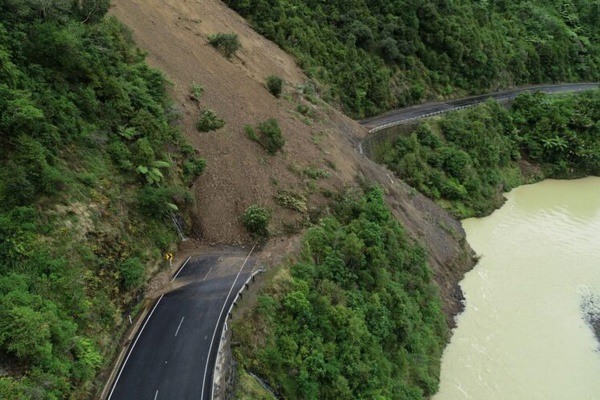
"Road and supply chain resilience is the most immediate issue for many growers. Road closures and slips are creating extended travel times and higher costs for transport, which in turn impacts the time-sensitive fresh produce supply chain."
 © NZTA
In Northland, growers mainly reported surface water and wet paddocks, with no major horticultural losses identified. Scott said that for many producers, the rainfall followed an extended dry period and was generally welcomed. Current attention is focused on managing higher pest and disease pressure linked to wet conditions, as well as the risk of fruit drop in some crops.
In the Bay of Plenty, most growers also reported limited impacts. Localised issues such as slips and surface flooding have affected some roads, but at this stage, there are no confirmations of large-scale crop or orchard damage. Scott noted one report of an orchard impacted by a slip in the Welcome Bay area.
In Gisborne and along the east coast, there have been no reports of major crop losses, but growers remain concerned about access to transport routes. Scott highlighted that disruptions to key corridors are creating logistical complications.
"The closure of key routes such as the Waioweka Gorge means produce is being diverted via longer detours, raising costs and [creating] logistical challenges."
Scott said the situation underlines the importance of transport reliability for the horticulture sector. She added that while growers are accustomed to working under variable weather conditions, repeated severe events place additional pressure on rural logistics and supply chains.
"For HortNZ, this highlights the need for more resilient transport infrastructure to ensure produce can reliably reach markets without unnecessary delay or cost.
"Growers are used to working with weather variability, but the frequency of these intense events clearly highlights the importance of investing in infrastructure and adaptation measures that support rural communities and ensure reliable pathways to market."
Source: Farmers Weekly