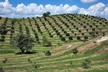
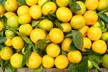
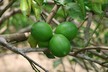
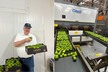
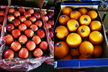
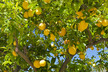
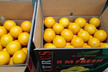
Harvest is underway for the Millennium Block, a seven-year citrus research project led by UF/IFAS in Fort Pierce. The project, established in 2019 at the Indian River Research and Education Center, consists of 5,000 trees and is designed to evaluate citrus varieties and rootstock combinations with tolerance to citrus greening.
Researchers are assessing fruit harvested between 2022 and 2026 to measure juice quality, marketability, stress tolerance, and overall yield. Evaluated parameters include fruit size, sugar concentration, acidity, taste, and total production by volume and weight. The results are intended to inform future UF/IFAS recommendations on commercially viable citrus options under ongoing disease pressure.
Citrus greening, also known as Huanglongbing, continues to affect citrus production across Florida. The disease, spread by psyllids, reduces fruit quality and yield and can lead to tree decline and loss over time. Production has declined across citrus-growing regions in the state, and research efforts have focused on identifying plant material that can maintain performance in infected environments.
According to UF/IFAS researchers, the Millennium Block was developed as a controlled research site where greening-tolerant varieties could be tested under field conditions. The project includes four trials, with one evaluating 18 grapefruit selections on three commercial rootstocks. The remaining trials include 32 rootstocks grafted with Ray Ruby grapefruit, Glenn Navel sweet orange, and UF-950 mandarin.
Harvest activities will continue through early February. Fruit is being processed and juiced to assess physical characteristics linked to market acceptance, as well as juice attributes such as sugar levels and acidity, which influence pricing outcomes for growers. Researchers are also measuring the proportion of fruit meeting market quality standards.
In addition to harvest and juice analysis, aerial imaging is being used to examine tree health. Drones are deployed to assess canopy size and structure and to explore potential correlations between canopy development and fruit production. These data may contribute to predictive tools for orchard management.
Data collected during the current harvest cycle are expected to be analysed later this year, contributing to ongoing research into citrus greening tolerance and production strategies for Florida growers.
For more information:
University of Florida IFAS
Tel: +1 352 392 3261
blogs.ifas.ufl.edu