The Chilean apple sector is facing a challenging season. Pressure is mounting in Europe, but there are opportunities in emerging markets such as India, the Middle East, and Russia. This is how Andrés Kuznar, Commercial Director of BDP Foods, outlines Chile's international position.
Chile expects a similar apple harvest in 2026 to last year's. "There is no oversupply this year," Kuznar stated. However, he acknowledged that there are declines in some central regions, such as Rancagua, San Fernando, and parts of Curicó. These decreases are mainly due to increased Venturia infections and heat waves, which have affected both the commercial volume and the fruit's quality.
 © BDP Foods
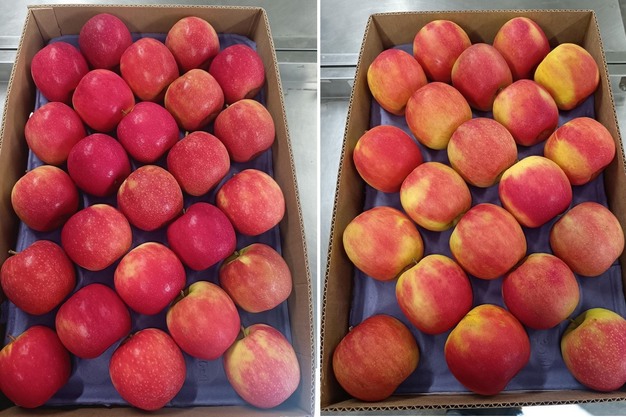
Regarding varieties, Gala will likely maintain similar volumes to last season, but with an earlier harvest of about 10 days. Pink Lady may see slight growth, and Fuji is expected to stay stable. Kuznar noted that they don't expect a significant increase in production and that there may be more losses during sorting due to disease and weather conditions.
Latin America will continue to be a core market, whereas Europe is expected to pose greater challenges. Meanwhile, India and the Middle East are seen as opportunities for growth. "Higher stocks in the northern hemisphere, particularly in countries like France, Italy, and Germany, may lead to slower sales and decreased prices in Europe. This issue is likely to be more pronounced for Chile's Pink Lady exports to Europe," he stated.
India, on the other hand, is increasingly emerging as a medium- and long-term destination. "India is one of the fastest-growing markets," says Kuznar. Demand for Gala apples is rising, partly because this variety can endure long transport routes of about 45 days. Demand has also grown significantly in the Middle East, increasing by nearly 25% last season.
"Russia remains a key market, especially for varieties like Granny Smith, Cripps Pink, and Gala. However, it faces new logistical challenges. Some retailers are shifting from 18kg boxes to 9.5 or 10kg formats, which significantly reduces logistical efficiency due to less container use and higher freight costs," Kuznar explained.
 © BDP Foods
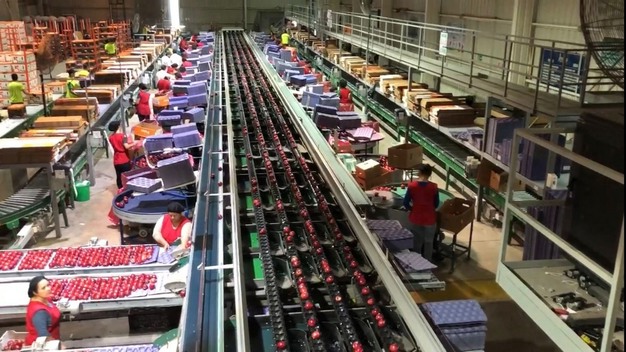
International pressure still affects prices. "Chile might start the season with lower prices than last year if the stock in the northern hemisphere is not quickly absorbed, although rising costs in Chile put upward pressure on prices. Additionally, the new 40-hour work regulations are raising packing house costs," the executive noted. This adds to structural challenges like labor shortages, climate issues, and fruit quality concerns.
Despite this, Kuznar highlights that "the Chilean industry relies on its strong storage capacity to focus on mid- and end-of-season programs. These periods see rising prices and less competition." He also highlighted the importance of diversifying destinations and taking advantage of better trade opportunities.
Finally, Kuznar emphasized that this outlook is based on close collaboration with top producers and exporters in the industry. "At BDP Foods, we have maintained close partnerships for many years with companies like Copefrut, San Clemente, Rucaray, and Polar Fruit, which allows us always to have an up-to-date and direct overview of how the season is developing," he concluded.
 For more information:
Andrés Kuznar
BDP Foods
Chile
Tel: +34 63 554 0781
Email: [email protected]
www.bdpfoods.com