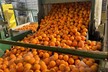
Pakistan's kinnow export chain is under pressure following the closure of the traditional overland route to Russia and neighbouring markets through Afghanistan. Previously, shipments reached destinations in Russia, Ukraine, and the Central Asian Republics within six to nine days. With the corridor shut due to security tensions, exporters have been forced to divert volumes through Iran, extending transit times to around 25 days, beyond the shelf-life tolerance of fresh citrus.
The Iran corridor, formerly a backup option, has become the main route. Exporters report higher logistics costs and increased spoilage risk. Uncertainty has been compounded by renewed threats from US President Donald Trump to impose a 25 per cent tariff on countries trading with Iran, raising concerns around continued reliance on Iranian transit and markets.
Growers say recent government statements on "alternative routes" offer limited relief. "Iran was never a newly opened route," said orchard owner Hanif Hanjra. "Calling it an alternative to Afghanistan is misleading." Exporters add that longer transit times reduce competitiveness in distant markets.
Despite a large crop this season, farmgate prices have dropped sharply. Juice processors are offering around Rs300 per maund, roughly US$1.10 per 40 kg. Orchard returns have fallen from Rs2,500–3,200 per maund last season, about US$9.00–11.50, to Rs1,200 or lower, around US$4.30. Rising input costs since the 2022 rupee devaluation have further squeezed margins, with growers reporting orchard income declining from about Rs100,000 per hectare, roughly US$360, to around Rs30,000, or US$110. Some growers estimate that up to 30 per cent of orchards have already been uprooted.
Against this background, Pakistan has expanded kinnow exports to the Gulf and Southeast Asia following the Afghan border shutdown in late 2025. Before the closure, bilateral trade with Afghanistan exceeded US$1.6 billion annually, with overland routes central to perishable shipments. Prolonged disruptions have particularly affected winter citrus exports.
The Ministry of Commerce said exporters redirected shipments to non-traditional destinations. "Priority was given to expanding access to markets in the Middle East, Southeast Asia, and other non-traditional destinations, while ensuring compliance with international quality and phytosanitary standards," the ministry said. Official figures indicate Pakistan earned about US$40 million from kinnow exports within 45 days, covering December and the first half of January.
Officials said coordination with the Trade Development Authority of Pakistan, overseas missions, and logistics partners supported rerouting and documentation, helping maintain shipments during the peak export window, while reducing dependence on a limited number of regional trade routes.