The 2025 crop year was characterised by high temperatures early in the year, exceptional drought during the summer months, and a warm autumn. This combination of heat, abundant sunshine, and drought clearly affected greenhouses, orchards, and open fields, with a direct impact on production, volumes, and pricing. For BelOrta, this resulted in product sales of €631 million, 5% lower than the record turnover achieved in 2024.
 © BelOrta
Lower pricing for many products, combined with more difficult growing conditions following the withdrawal of certain crop protection products, had a negative impact on growers' incomes. On the other hand, several crops experienced a fairly normal season in terms of pricing, meaning the cooperative and its 1,000 member growers look back on the year with nuance. BelOrta therefore closed 2025 with total product sales 5% below the record year 2024, while supplied volumes were 4% higher than last year.
"The past year once again proved how decisive the climate is for our growers and our sector," says Philippe Appeltans, CEO of BelOrta. "That combination of drought and heat ensured strong production, but at the same time put pressure on the market."
High light intensity ensures strong production in fruiting vegetables
In spring, light intensity was abnormally high, resulting in strong production levels for tomato, sweet pepper, cucumber, and aubergine.
 © BelOrta
Tomato growers can look back on a decent 2025 season. Despite higher production volumes, demand remained sufficiently robust during the traditional season, supported by smooth exports to southern Europe and the UK. Tomato specialities performed well overall, although there were clear differences between segments.
Within BelOrta, cucumbers continued to perform well. Acreage increased slightly in 2025, and good prices were achieved for growers, partly thanks to the various sales systems and the cooperative's broad customer portfolio. There was a good balance between demand and increased supply in 2025.
Sweet pepper had a particularly difficult year. From April onwards, pricing came under pressure due to acreage expansion in the Netherlands, higher production levels, and increased supply from southern Europe. Demand was present but struggled to absorb the ample supply.
Aubergines saw a moderate year, with price pressure linked to high production volumes. Courgettes recorded higher production figures with moderate pricing. European courgette pricing remains heavily dependent on production levels in Spain.
Many field vegetables experienced a very difficult autumn in terms of pricing
Asparagus recorded moderate production due to the impact of the wet 2024 season. For trade and the start of the season, the Easter timing was favourable, with sufficient volumes available. Pricing remained decent throughout the season.
 © BelOrta
Belgian endives faced a tough year, with high European availability putting pressure on prices for almost the entire season. Declining consumption of this traditional vegetable created a significant oversupply in the market. Despite numerous promotional efforts, prices remained weak. For endive growers, it was an extremely difficult year and one best forgotten.
For lettuce and lettuce types, 2025 was also challenging. The weather in Belgium was drier and warmer than average, and acreage expanded across large parts of Europe, resulting in oversupply and low prices. In addition, growing conditions are becoming increasingly difficult due to fungal diseases, soil pests, and insect damage.
Spring 2025 still delivered reasonable prices for cauliflower. However, the warm autumn caused early harvesting and higher volumes, including in neighbouring countries. Prices subsequently fell to very low levels. Leeks performed well in the first quarter thanks to limited volumes, but higher production in autumn put full pressure on the market. Demand for leeks was also significantly lower due to the mild autumn.
Mixed signals for soft fruit
Strawberries experienced a stable season with high quality, partly thanks to a broad variety mix and different growing systems. For blackberries, raspberries, redcurrants, prickly pear, and blueberries, performance ranged from mixed to slightly positive.
 © BelOrta
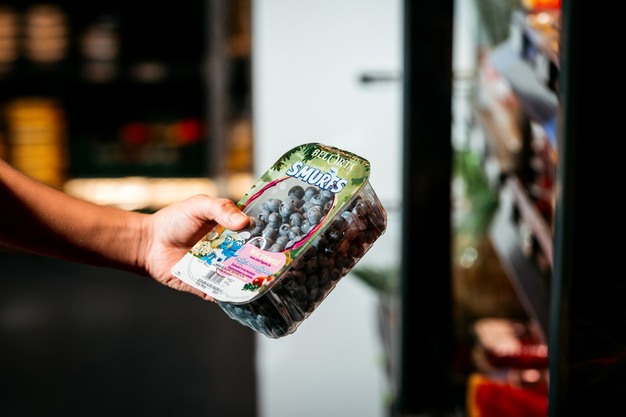
In blueberries, the collaboration with The Smurfs around the release of the new film brought additional visibility at retail. The recognisable packaging gave Belgian berries extra appeal, although pricing remains challenging relative to cheap imports.
The cherry season was significantly better than in 2024, with higher volumes and excellent quality thanks to dry and sunny weather. Centralised grading in Sint-Truiden ensured efficient marketing. However, the Belgian harvest coincided entirely with the French season, causing temporary price pressure.
Plums experienced a record harvest in 2025, with yields more than double those of the previous year. Demand for local, quality plums shows that consumers remain interested in local produce. However, the volumes sold on the local market were well below total harvested volumes, which put pressure on prices. Belgian melons also faced difficulties in 2025, as ample European supply weighed heavily on pricing.
"Fruit has become less ingrained in the daily diet," says Philippe Appeltans. "Consumption figures show that in 2024, only 60% of Belgians ate fruit on an average day."
 © BelOrta
Limited harvest and stable top fruit market in 2024-2025, large harvest in 2025-2026
The 2024-2025 apple season was marked by low production due to frost and wet conditions, although this scarcity supported more stable pricing. The larger sizes typical of such a season were marketed more effectively in the first half of 2025 through targeted campaigns, even though consumers continue to prefer slightly smaller sizes. The 2025-2026 marketing year can rely on solid volumes. The Belgian apple harvest increased by 39% thanks to optimal growing conditions. Weather conditions also ensured tasty apples with good sugar content and excellent skin quality. However, neighbouring countries also recorded strong harvests, putting significant pressure on pricing.
The pear season followed broadly the same pattern as apples. Weather effects led to a more limited harvest in 2024-2025, contributing to a more stable market in the first half of 2025 and a better price level than in previous years. From February onwards, prices increased further, resulting in a significantly stronger season finish. This period of relative scarcity was followed by more favourable growing conditions, leading to a substantially larger harvest, up 45% compared to last year. Despite a robust supply, pricing held up relatively well. Pears were characterised by good skin quality and a balanced size distribution, which gives confidence heading into 2026 and offers opportunities for both the domestic market and exports.
High volumes put pressure on organic markets
It was also a challenging year for organic produce. Favourable weather early in the season led to higher production, causing surpluses and price pressure in some organic products such as vine tomatoes and cucumbers. As organic sales depend heavily on contracts and planning, it proved difficult to place these additional volumes smoothly on the market.
In organic outdoor crops, production was clearly higher than in the previous wet year. Combined with strong harvests in neighbouring countries, this resulted in ample European supply and additional pressure on prices and sales.
For organic top fruit, similar dynamics applied, given the favourable climate. Apple and pear harvests were slightly higher than in 2024, with a higher share of marketable table fruit. External quality for both organic apples and organic pears was significantly better than in 2024.
Organic cherries recorded a harvest comparable to 2024. Organic plums delivered an exceptional harvest, partly because new plantings came into production. Organic strawberries were available on the market for around eight weeks, considerably longer than before.
 © BelOrta
Sustainability and a window on the world
BelOrta took further steps in sustainability and social responsibility in 2025. The cooperative attended the United Nations High-Level Political Forum in New York, where its role as SDG Ambassador and its efforts in carbon reduction, energy efficiency, and supply chain responsibility were highlighted internationally. In addition, BelOrta was present at trade fairs worldwide, from London to Hong Kong, underlining the strong export position of its quality fruit and vegetable range.
Looking ahead to 2026: New campaign in a context of declining consumption
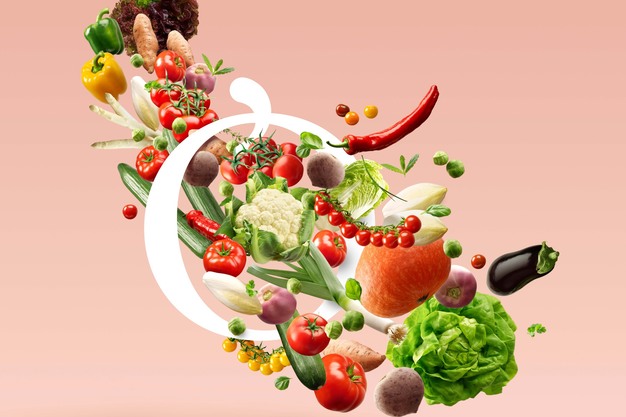
Looking ahead to 2026, BelOrta is focusing strongly on the future. Changing eating habits and declining fruit and vegetable consumption indicate that consumers want to eat healthier, but are increasingly struggling to do so in practice. Compared with 2005, Belgians today purchase almost 16 kilograms less fresh fruit and vegetables per person per year. Whereas household consumption then averaged around 95 kg per capita, it now stands at around 78 kg.
"Next spring, we will launch our new brand campaign. That campaign not only puts our products centre stage, but above all, what they make possible: real, warm moments between people. As a cooperative of local growers, we know better than anyone that flavour connects. Between grower and consumer, between tradition and innovation, between field and fork," says Philippe Appeltans.
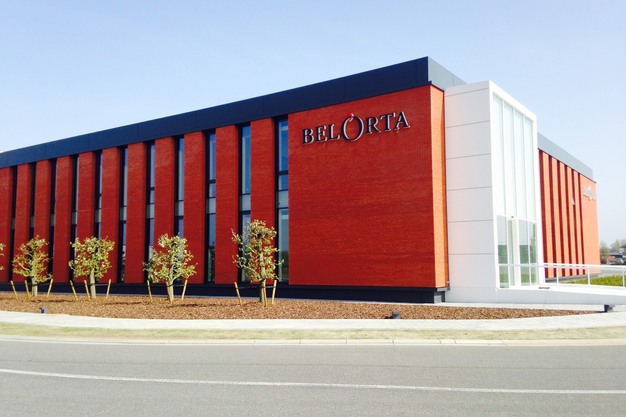
In addition, BelOrta will open its new sales hall at the Sint-Katelijne-Waver site in 2026. This modern facility integrates new software, offers greater comfort and efficiency, and reflects the further professionalisation of the organisation.
As such, 2026 marks the start of a new chapter for BelOrta: a year in which the cooperative further strengthens its role as a reliable source of local fruit and vegetables, while developing into a brand that brings people together at the table, in the kitchen, and in shared moments.
For more information:
BelOrta
Mechelsesteenweg 120
B-2860 Sint-Katelijne-Waver, Belgium
Tel: +32 (0)15 55 11 11
[email protected]
www.belorta.be