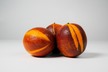
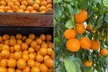
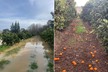
Mandarins are in tight supply in the U.S. and expected to remain so for the rest of January. "Both Morocco and California have had an exorbitant amount of rain. It's been raining pretty much all of December in both regions," says Casey Kio, executive vice-president of global sourcing for Consalo Family Farms, noting that the rains hit at a crucial time when clementine production was ending and mandarins hadn't quite started. "So in addition to making it difficult for them to get into the field to pack and pick, the rains are also affecting quality. They are causing quite a gap by delaying arrivals from Morocco–they've stopped shipping clementines and have not yet started shipping the Nadorcotts."
Morocco is also shipping less fruit this year to the U.S., mainly because Spanish mandarin production is very low this season. As a result, Morocco is instead shipping more fruit to Europe, China, Asia and Canada which it can do particularly because its crop is up over last year's volume. Last year saw a nine percent increase from the 2023-2024 season, though that's 20 percent lower than the unusually high volumes of 2024-2025. "With the tariffs in the U.S. as well, they didn't want to risk sending more fruit to this market and continuously compete against California," says Kio. "We're having flashbacks to the days of Spanish citrus and when they stopped shipping to the U.S. Now, there's very little Spanish citrus that comes in."
Back in California, some larger growers are talking about implementing a Force Majeure due to the rains affecting supply so significantly. "With a Force Majeure, a lot of suppliers in California and importers aren't able to deliver those requested prices or meet the agreements," says John Lazopoulos, executive vice-president of global procurement for Consalo Family Farms.
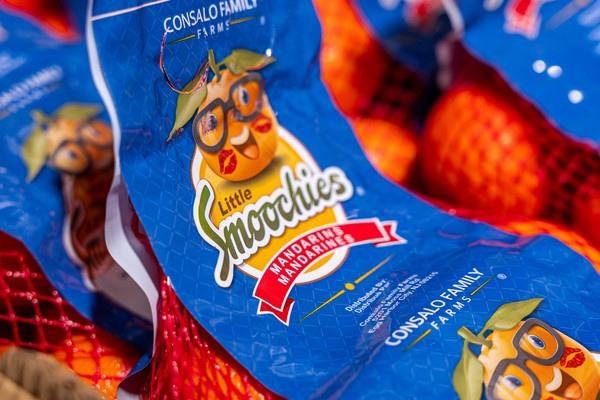 © Consalo Family FarmsMandarins are in light supply right now.
Quality concerns in mandarins
After all, those rains are causing quality issues including soft fruit and decay on fruit from both California and Morocco. "It's really become a quality issue with everything that's arriving," says Kio. "We're doing our best to repack and be very strict with arrivals to make sure they'll make retail arrivals. It's going to be a tough three weeks before we can get into later variety mandarins. Both regions are waiting for quality to improve before they ship mandarins."
This comes amidst a year of generally softer demand on a number of commodities in the retail space. "A lot of larger growers and shippers have stepped away from their commitments because many consumers have avoided spending $6.99-$8.99 for clementines or mandarins," says Lazopoulos.
Right now is generally a popular time for citrus given consumers are looking to not only eat healthy but also consume lots of vitamin C to avoid flus, colds and more. That means some retailers like to promote citrus, including mandarins, in January. "Now with the rain though, it's affecting mandarins but also navels–when one citrus item is down, all of them get affected," says Kio. "I think this shortage will create a little false demand. However over the last six to 12 months, consumer demand overall on mandarins has been flat. That's the first time we've seen a consecutive trend like that since the height of the mandarin category as a whole that started about eight to 10 years ago. With all of the marketing and promotional dollars behind it, the commodity has continued to climb and this summer, specifically May through November, we were shocked to see it was flat if not slightly down."
 © Consalo Family Farms
L-R: Casey Kio, John Lazopoulos
Demand and pricing
So even while generally citrus pricing spikes at this time of year and with the shorter supply, softer demand is pressuring pricing. Spot market pricing is expected to be aggressive in the mid $30s and up, at least for the next 10 days. However, an improved weather outlook in California this week means production could resume soon on varieties such as Tango and Page and that's expected to help prices come down. That said, contract pricing is where pressures are largely seen, leading to the case for a Force Majeure.
Looking ahead, this is only more fuel to add to an industry initiative already underway–the move towards mandarin to mandarins in the market and eliminating clementines. Consalo Family Farms has already stopped shipping some varieties such as imported Satsuma and Primagolds due to quality concerns. "The Chilean program has come a long way with production of volume to quality. A normal year, maybe next year, you'll see Chilean fruit in stores all the way through Christmas," says Lazopoulos.
 For more information:
Consalo Family Farms
Tel: +1 (856) 794-1408
www.consalofamilyfarms.com