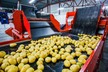
In 2025, Ukraine recorded strong vegetable harvests, particularly for potatoes and onions. While this resulted in lower retail prices, it significantly reduced farmers' margins. According to Andrii Marushchak, Commercial Director of Van Dijk Technics, the profitability of vegetable production in Ukraine is now directly tied to the availability of professional storage facilities built using Dutch technologies.
Potato harvests were strong across Ukraine and throughout Europe. As a result, market prices in Ukraine fell to near cost levels. Some producers expanded potato planting areas by up to 100% after prices reached UAH 38 per kg last season, expecting similar returns. However, oversupply, combined with the absence of state subsidies or preferential credit, unlike in Poland or the Netherlands, left Ukrainian farmers exposed to price volatility. Such market cycles recur every four to six years, depending on weather conditions.
Despite large volumes, quality remains a major issue. Due to the lack of storage infrastructure, farmers are forced to sell quickly before frost risks increase, triggering seasonal price collapses. By spring, prices are expected to rise again, and imports from Poland, where storage capacity and quality control are stronger, usually increase.
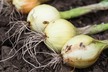
The onion sector faces even sharper challenges. Production expanded significantly, yields were high nationwide, but domestic consumption is limited. Farmers without storage were forced to sell onions at below production cost or abandon harvesting altogether. Those with storage facilities were able to dry, store, and wait for better prices.
Marushchak notes that access to modern storage allows farmers to manage sales timing and preserve quality. He also highlights growing interest in processing, especially freezing. Exports of frozen chopped onions, sold as rings or cubes, are increasing, allowing producers to add value during periods of low fresh-market prices. Processing facilities, developed over the past eight years, continue to expand, with potatoes and onions currently dominating vegetable processing in Ukraine.
Weather remains the key variable shaping yields, prices, and profitability in the sector.
Source: www.seeds.org.ua