Peruvian sweet onions got a later start shipping to the U.S. this year. "This was due to an extended high-quality Vidalia Sweet Onion crop from Georgia. Vidalia sweet onions carried Bland Farms through late September, but the company has been importing containers of premium sweet onions from Peru since early September," says Troy Bland, CEO of Bland Farms. "This allowed us to build enough inventory to smoothly transition from Vidalias to Peruvian sweet onions."
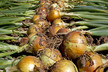
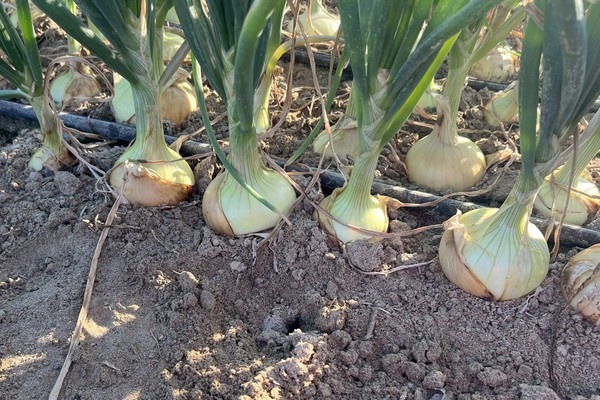 © Bland FarmsShipments from Peru began in late September.
In fact, Bland notes that sweet onions are actually a bit easier to grow in Peru because there, the water distribution can be controlled. Georgia can be a little more challenging due to the unpredictability of rainfall, he says, adding that the company's Peruvian program helped establish its year-round sweet onion availability.
For Bland Farms, it has been farming sweet onions in Peru for 28 years and owns and contracts more than 1,000 acres in Peru. It also operates and manages its own crops there. "We have our boots, our hands, everything on the ground over there, which gives retailers confidence in quality and reliability," Bland.
2025 timing
Back in Georgia, Vidalia onions finished shipping about late September. Typically the Vidalia season ends just after Labor Day. Shipments from Peru began in late September and will go until February. After that, supply comes from Mexico until Vidalias season starts again in mid-April.
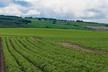
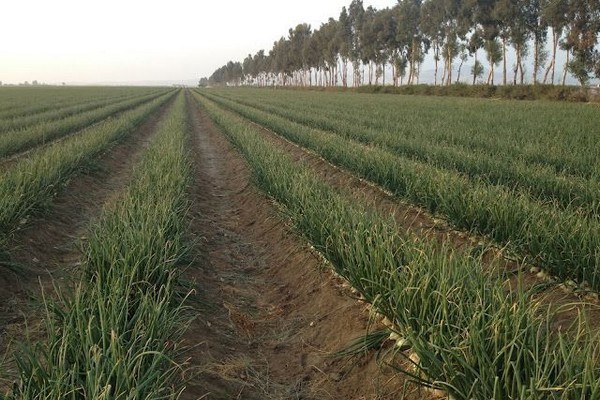 © Bland Farms
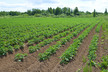
A look at the company's fields in Peru.
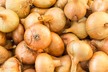
Whether it's Georgia, Peru or Mexico, the company utilizes approved Vidalia seed varieties which Bland says makes the taste nearly indistinguishable and allows for a seamless transition between growing regions. In all, the onions are available in 40-lb shippers and consumer packs of 2-lb, 3-lb, 5-lb, 6-lb, and 10-lb bags–packaging that's designed to maximize department sales through flexible merchandising.
As part of that, the company is also seeing continued growth in its organic sweet onions. "We began with one load per week and we are now averaging four loads weekly from Peru," says Bland. "We have continued organic acreage expansion to meet growing retailer and consumer demand."
Learning about sweet onions
Indeed, demand for sweet onions is sustained and in fact grows when consumers learn more about the versatility of a sweet onion, and where the product is grown. That's leading generally to strong, steady sales volumes for both domestic and imported onions.
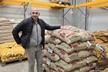
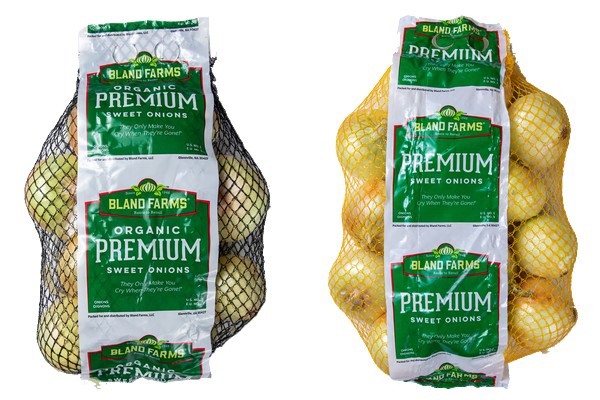 © Bland Farms
The company is also seeing continued growth in its organic sweet onions and continues to expand its organic acreage.
While demand isn't a challenge, what could be challenging this season is container availability and positioning, especially given the fact that Peru imports less which means there's unpredictability regarding outbound container supply. "It can be unpredictable but as of now, we haven't had any issues. We're working ahead with our logistics partners so it's a smooth transition," says Bland, adding that less predictable outbound container supply also means higher logistic costs. "Higher container costs and tight availability may create logistical hurdles overall for exporters."
As for pricing on Peruvian sweet onions, they are slightly higher this season. "We are continuing to monitor existing tariffs and trade factors that could impact overall costs and sourcing decisions," he adds.
 For more information:
Michele Marin
Bland Farms
[email protected]
https://blandfarms.com/