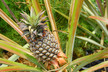
The world's largest continuous pineapple operation is located in Tabocão, in the state of Tocantins, Brazil. Olhos D'Água Farm produces around 150,000 tons of pineapples annually on more than 3,000 hectares. According to state agencies and company data, the production supplies the domestic market and exports to Europe and the United States, supported by precision agriculture systems and resource management.
Annual harvests vary between 100,000 and 150,000 tons, maintaining a steady flow to retail chains and food processors in Brazil. Part of the volume is exported to European and North American buyers who require traceable and uniform fruit. The operation's consistency enables long-term supply contracts.
Field management is based on real-time sensing, productivity mapping, and data-driven irrigation. Inputs are applied at variable rates to optimize nutrient use and maintain uniform plant growth. This approach supports productivity above regional averages and ensures uniformity in fruit size and sugar content, a key requirement for export markets.
Irrigation systems are controlled through soil moisture monitoring and shift scheduling according to crop needs. During dry periods in the Cerrado, precise water management helps prevent water stress and maintain fruit quality. Water reuse occurs at several stages of the operation, alongside soil conservation practices such as vegetation cover and contour planting in erosion-prone areas.
For exports, the farm maintains strict classification and traceability from field to dispatch. Batches are standardized in size, Brix levels and are free of external defects. Logistics combine road transport to distribution hubs and minimal processing when required. These routines ensure a continuous supply of pineapples to both domestic and international markets.
The 3,000-hectare property includes planting areas, nurseries, and support infrastructure. Crop cycles are staggered to manage climate risks and sustain a continuous harvest. Teams monitor ripening per plot to ensure proper harvest timing and reduce post-harvest losses.
The pineapple hub in Tabocão supports local supply chains, transportation services, and agricultural input suppliers. Demand for packaging, fertilizers, and machinery maintenance benefits nearby municipalities. Seasonal hiring increases during harvest peaks, while permanent jobs support production and processing.
Tabocão is located in northern Tocantins, about 150 to 165 kilometers from Palmas, accessible via the BR-153 highway. Travel time is approximately two to two and a half hours by road.
The designation "largest pineapple farm in the world" is based on the scale of cultivated area and reported output for a single integrated operation. Although no official global ranking exists, institutional data and regional reports support the reference. The Olhos D'Água operation serves as an example of large-scale tropical fruit production integrating technology, logistics, and export-oriented management.
Source: CPG